
How Small Businesses Can Break the Cycle of Unsteady Leads

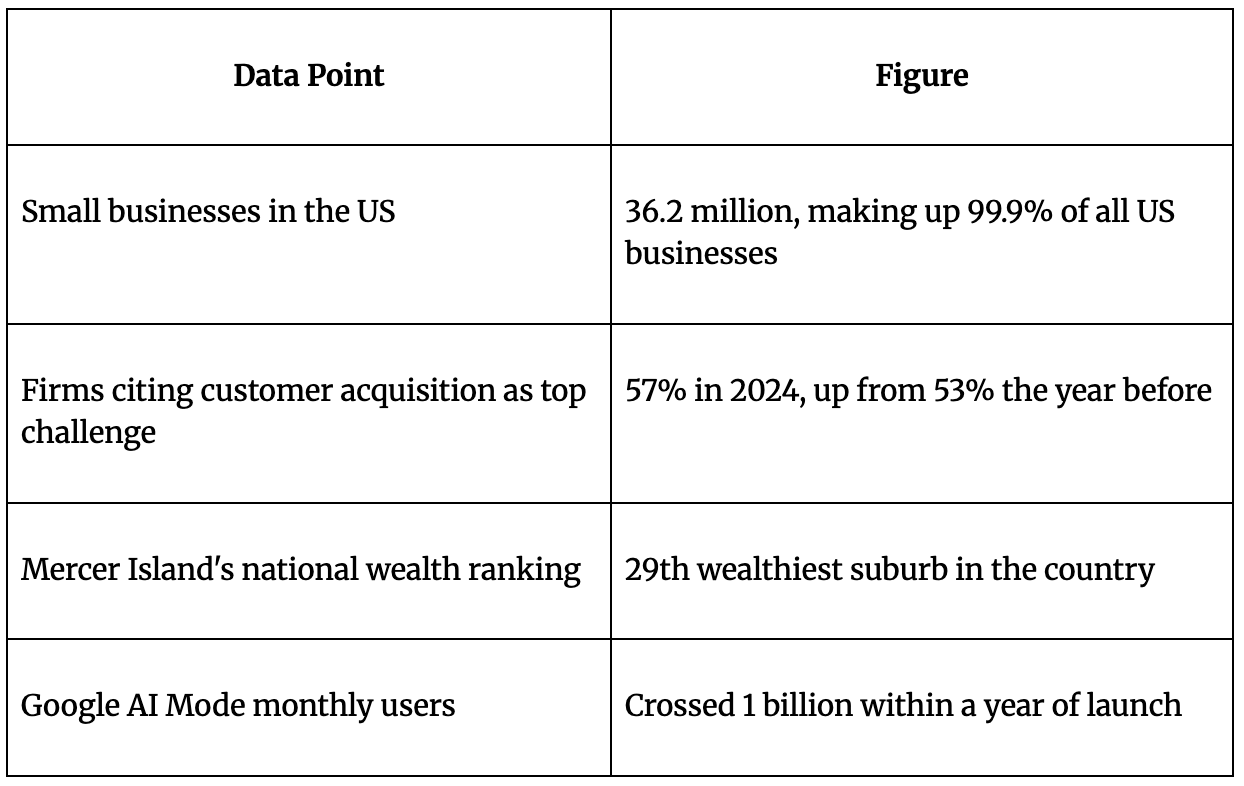
Small businesses are the backbone of the US economy, making up 99.9% of all US businesses. However, starting a small business and keeping it profitable are two completely different ballgames.
Competition for attention is fierce, and it naturally leads to inconsistent leads and unpredictable sales months. You can work long hours, market on every platform, and still watch inquiries dry up out of nowhere. You are not alone in this struggle.
In the Federal Reserve's survey, 57% of small employer firms named reaching customers and growing sales as their biggest operational hurdle. This number climbed from 53% the year before, making it the most common challenge in the whole survey.
Besides intense competition, a couple of other reasons explain this pattern. One ties back to inconsistent marketing efforts, and the other links to leaning too heavily on referrals alone. If you want to move past this feast-or-famine cycle, read on.
Build a Marketing Routine You Can Sustain
When work gets busy, marketing usually becomes the first task to disappear from your calendar. This may sound harmless, but it is one of the root causes behind unsteady leads. This decision to pause your outreach can cause problems weeks later, when current projects end and new inquiries have not replaced them.
Consistent marketing keeps your pipeline filled well before you actually need new business. It is completely understandable if you don't have the resources to invest in a dedicated marketing team right away. Here are a few ways to stay visible on your own when work gets busy:
Pick two or three channels and stick with them: Your website, one social platform, and email are usually enough to keep your brand in front of people.
Set aside a short block of time weekly: Use it to plan posts, write captions and schedule content, so outreach never depends on how busy you feel.
Keep an eye on what brings inquiries in: Note which posts or channels lead to actual conversations, so your efforts stay focused on what works.
Stay visible during slow weeks and busy ones alike: Pausing outreach the moment work picks up is exactly what creates the next dry spell.
Highlight the Key Differentiator
A key differentiator is simply any attribute that makes your product or service different (and better) than your competitors'. For any business, big or small, communicating key differentiators shapes every buying decision a customer makes. What makes you better than the provider down the street can instantly decide who wins the sale.
For certain business verticals, identifying and communicating a meaningful difference can be tricky. Claims like “excellent quality” or “great customer service” will not help people distinguish your business. Most competitors are already making the same promises.
For heavily localized service-based businesses, this struggle runs even deeper. Here is a small example to put things into perspective. A painting company in Mercer Island cannot simply compete on price alone. Why?
Mercer Island currently ranks as the 29th wealthiest suburb in the entire country. If a painting service provider in an affluent area like this leads with price alone, homeowners will likely overlook the message entirely.
In order to build a steady pipeline, a painting provider has to speak to what their prospects truly care about. For example, a company can focus on sustainability by highlighting the benefits of eco-friendly paints. This type of paint is free of volatile organic compounds, a highly toxic substance found in most traditional paint products, notes EA Pro Painters.
Focusing on health-conscious messaging could be another great way to bring in a steady flow of inbound leads from families who prioritize their wellbeing.
The approach would look different in a more budget-conscious neighborhood. There, a service-based business needs to lead with value and fast turnaround instead of premium ingredients.
As long as the message reflects local priorities, the business gives prospects a clear reason to choose it. This clarity makes every campaign more focused and helps attract leads that are far more likely to convert.
Work on Both Short-Term and Long-Term Strategies
There is a golden rule in marketing. What gets seen gets sold. If you are struggling to generate leads on a consistent basis, you are either invisible to your audience or invisible at the wrong moments.
Let's not settle for either one. Visibility has to be a constant, not a one-time push. "If people can't find you, they can't buy from you," commented Strato Doumanis, Chief Technology Officer and Creative Director of MediaCutlet.
So how does a small business stay visible around the clock? There are two paths, and both demand equal attention.
Short-Term Marketing
In the short term, reactive marketing strategies can fill gaps quickly. Reactive marketing is a specialized style of promotion that responds to real-time events, conversations or trends happening around you. It could be a comment on a trending local post, a same-day offer tied to the weather, or a quick reply to a customer question online.
People tend to respond well when a business shows up at the exact right moment.
Long-Term Marketing
The long-term game belongs to SEO and content marketing. People looking for your product or service are actively searching for solutions right now. Local SEO is one of the strongest levers for service-based businesses trying to win nearby customers.
Product-based businesses should focus more on category and comparison content instead. You also need to optimize your content for AI overviews and generative search engines.
Google's AI Mode has crossed one billion monthly users within just a year of its launch. Its query volume has kept doubling every quarter since then. Many of those searchers could become your next customers.
Once your content ranks well across these surfaces, you can capture leads long before a competitor even shows up in the results. This kind of visibility takes time to build, though.
If you are not familiar with search engine content marketing, it is always wise to bring in someone who understands the space early on. Granted, the upfront investment can feel like a stretch for a small budget. But the payoff down the road will be well worth it, especially once organic traffic starts compounding on its own.
FAQs
1. Why do small business leads fluctuate so much?
Inconsistent marketing, heavy reliance on referrals and unclear messaging cause lead flow to rise and fall unpredictably throughout the year.
2. How can a small business get more consistent leads?
Build a repeatable weekly marketing routine, sharpen your positioning, and balance short-term reactive tactics with long-term SEO efforts.
3. Is SEO worth it for a small business with a tight budget?
Yes, SEO takes time to show results but compounds over time, delivering leads long after the initial investment.
Key Data Points at a Glance
Some Weeks You Win, Some You Just Show Up
Not every idea here will click for your business right away, and honestly, that is fine. Try one thing, watch what happens, drop what doesn't fit your customers. A slow Tuesday doesn't mean you're doing something wrong. Business runs in waves sometimes. Keep showing up the way you already do.
The businesses that make it through unsteady stretches are usually the ones that kept going quietly in the background. You're already further along than most people would admit to themselves.