
The wellness industry is booming, and women are leading the charge. Female founders now own nearly 40% of US businesses, and many are building the health and supplement brands defining the market. The opportunity is huge, but so is the competition.
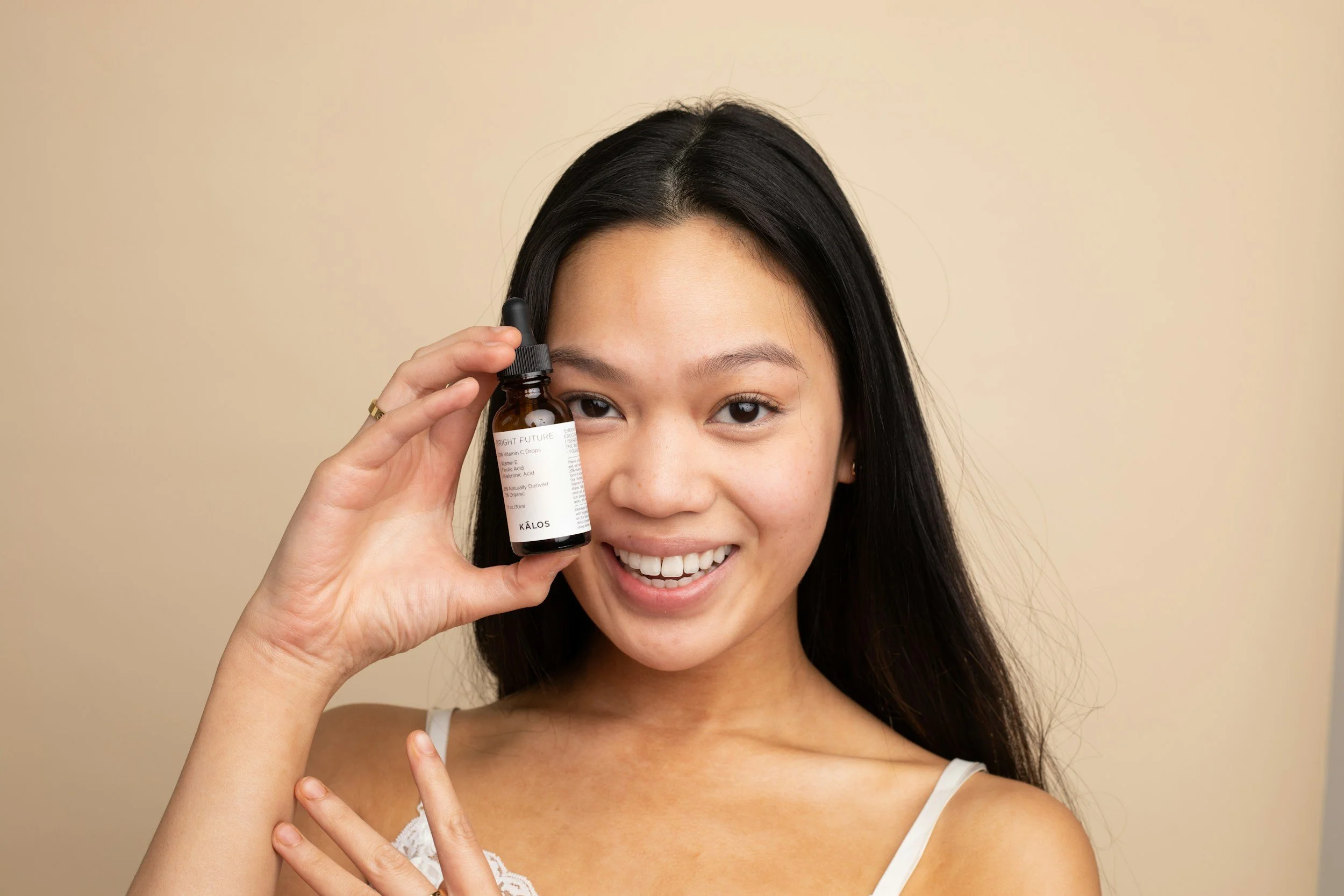
Standing out takes more than a good product; it takes sharp positioning and disciplined marketing. Specialist partners such as NutraMarketers help wellness founders work through the specific rules and crowded shelves of this category, where a misstep can cost both money and credibility. This guide covers how to build a brand that lasts.
What Makes a Wellness Brand Different?
The category runs on trust. A wellness brand is a business built around products or services that support health and wellbeing. Because it touches the body, buyers scrutinize it closely.
Credibility beats hype. Customers researching supplements or wellness products want proof, not slogans. A brand that earns trust keeps customers far longer than one that shouts loudest.
Compliance shapes everything. What a wellness brand can claim is tightly regulated, so honest messaging is not just ethical but legally necessary. Building on that foundation protects the brand as it grows.
How Do You Find Your Position?
Positioning is where brands win or blend in. A unique selling proposition is the clear reason a customer should choose you over every alternative. Without one, a brand competes on price alone.
Narrow beats broad. Serving one specific audience deeply is far stronger than trying to appeal to everyone. Guides on building a wellness brand from the ground up almost always start with exactly this kind of focus.
Know your customer intimately. The more precisely you understand who you serve, the sharper every marketing decision becomes. Sharpen your position by answering a few questions honestly:
Who exactly? The specific person you serve better than anyone.
What problem? The single need you solve more convincingly than rivals.
Why you? The proof that makes your claim genuinely believable.
What promise? The clear outcome a customer can reasonably expect.
Clarity on these makes the rest of the marketing work far easier, because every message, image, and channel choice flows from a position you can state in one sentence.
What Are the Key Marketing Channels?
Wellness brands rely on a familiar toolkit. A short list covers the essentials.
Content. Educational articles that build authority and trust.
Social media. Community, real results, and behind-the-scenes stories.
Search. Ranking for the questions your buyers actually ask.
Email. Direct, owned contact with your customers.
Partnerships. Credible voices who reach your exact audience.
Education leads in wellness. Teaching customers something useful builds trust before a single sale is ever made. A helpful guide, a clear explainer, or an honest comparison earns goodwill that advertising simply cannot buy. That trust is the real asset a wellness brand compounds over time, turning first-time buyers into loyal customers and, eventually, into advocates who market the brand for free.
How Do You Stay Compliant While Marketing?
This is where wellness founders must be careful. The rules are strict. Guidance from the FTC on advertising and marketing sets out what claims a brand can and cannot make. Crossing that line invites penalties.
Words carry weight. A brand may describe how an ingredient supports general wellbeing, but cannot claim it treats or cures a condition. Careful language protects both customers and the company.
Structure protects you. Staying legally compliant from the start, with proper records and registrations, prevents costly problems later. Good governance is quiet but essential.
How Do Founders Grow and Get Inspired?
Growth is a marathon, not a sprint. Reinvest early profit into the channels that actually work, and resist the urge to chase every trend. Focus compounds faster than scatter.
Community fuels the journey. Absorbing the business lessons every new founder should know shortens the path and steadies the nerves along the way. Few founders succeed entirely alone, and the ones who last tend to learn fastest from those a few steps ahead.
Consistency wins in the end. A steady brand voice, honest claims, and genuine value build something durable. The wellness brands that endure are the ones that never stop earning trust.
What to Keep In Mind
Women own nearly 40% of US businesses and lead in wellness.
A wellness brand runs on trust, so credibility beats hype.
A sharp unique selling proposition is what makes a brand stand out.
Content, social, search, email, and partnerships are the core channels.
Never claim a product cures a disease; the FTC enforces this.
Reinvest in what works and lean on a community of founders.
Building Something That Lasts
A standout wellness brand is built on trust, focus, and honest marketing rather than the loudest claims. By finding a clear position, respecting the rules, and growing deliberately, women founders can turn a good product into a lasting business. In a crowded market, integrity is the strongest strategy of all.
FAQ
What Is the Biggest Mistake New Wellness Brands Make?
Trying to appeal to everyone and making overblown claims. A vague, broad brand gets lost, and exaggerated promises invite legal trouble. Focus on a specific audience and honest, compliant messaging instead.
How Important Is Compliance In Wellness Marketing?
It is essential, not optional. Health-related claims are regulated, and a brand cannot say a product treats or cures a condition. Staying compliant protects both your customers and your business from real penalties.
Do Small Wellness Brands Need a Marketing Agency?
Not always, but a specialist helps with the category's specific rules and channels. Agencies that know wellness can save time and prevent compliance mistakes. Many founders start solo and bring in help as they scale.
What Marketing Channel Works Best for Wellness Brands?
Educational content paired with search tends to deliver the strongest long-term results. It builds trust and reaches people already seeking solutions. Most brands combine it with social media and email rather than relying on one channel.