
How Automotive Customization Became a Growing Industry for Small Businesses
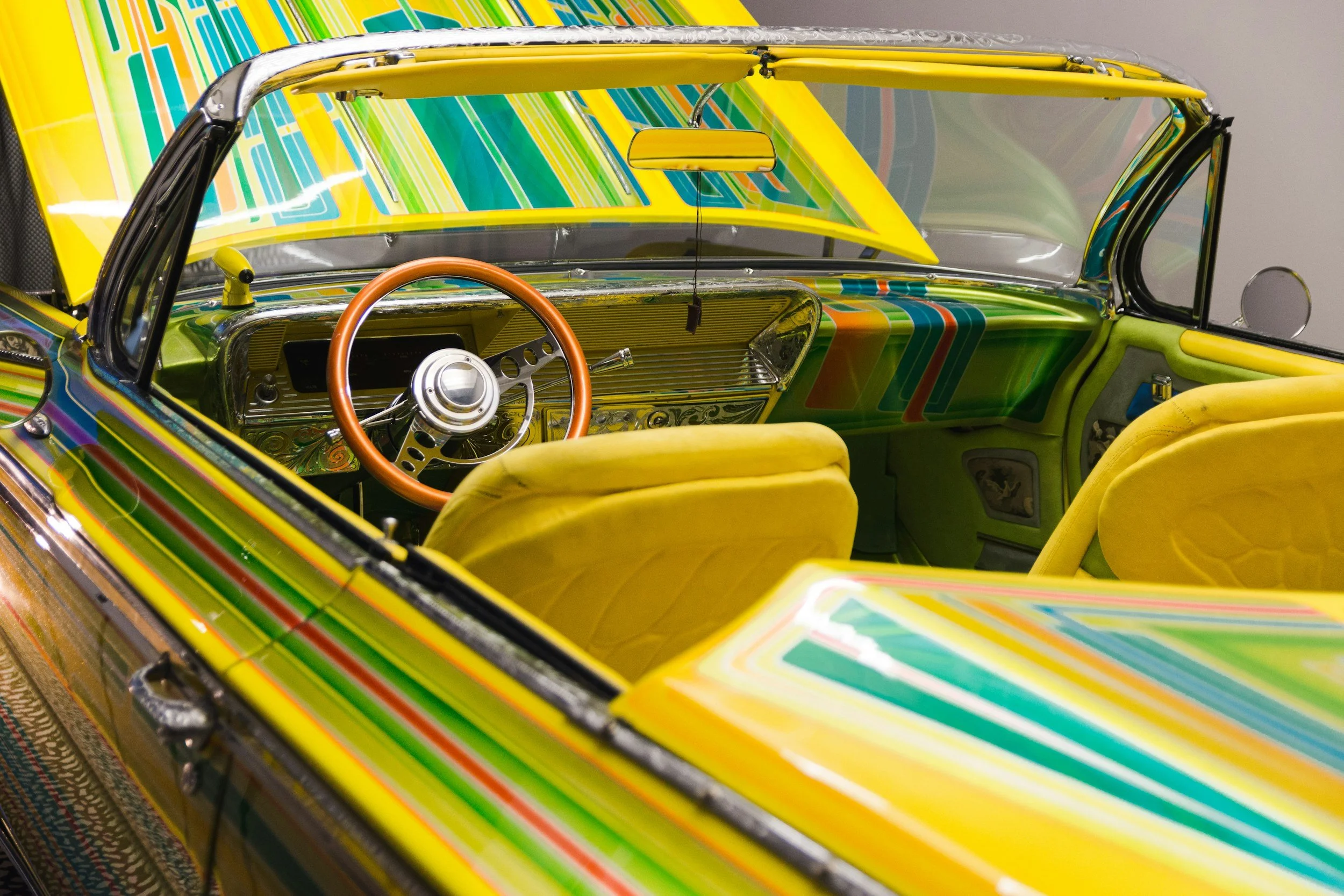
For years, automotive customization was often viewed as a niche hobby reserved for enthusiasts, collectors, or specialized garages. Today, it has evolved into something much larger. Across the country, vehicle customization has become a growing small business industry built around creativity, craftsmanship, branding, and technical skill.
From vinyl wraps and window tinting to ceramic coatings, wheel customization, detailing, and paint protection services, modern consumers are investing more heavily in personalization than ever before. At the same time, entrepreneurs are recognizing the industry as a legitimate business opportunity with strong visual appeal and expanding demand.
This shift reflects more than changing car culture. It also speaks to broader trends surrounding entrepreneurship, independent skilled trades, and the growing value of hands-on creative work in an increasingly digital economy.
Customization Has Become Mainstream
Not long ago, vehicle customization primarily existed within enthusiast communities. Modifications were often associated with car shows, racing culture, or highly specialized performance shops. Today, customization is far more mainstream.
Business owners wrap company fleets to improve brand visibility. Consumers personalize daily drivers with unique finishes and graphics. Luxury vehicle owners use protective films to preserve factory paint, while rideshare drivers, influencers, and content creators increasingly view vehicle appearance as part of their public image.
This broader adoption has helped transform customization into a sustainable commercial market rather than a narrow enthusiast trend.
Social media has accelerated this shift significantly. Platforms built around visual content have made automotive transformations highly shareable. A single well-executed project can generate thousands of views online, helping smaller businesses build visibility without relying entirely on traditional advertising. For entrepreneurs, this creates an unusual advantage: the work itself becomes marketing.
Small Businesses Thrive in the Industry
One reason automotive customization appeals to entrepreneurs is because many businesses can start relatively lean compared to other industries.
Wrap shops, detailing businesses, tint studios, and customization services often begin with small teams before gradually expanding into larger operations. Many successful businesses started from home garages, small rented spaces, or mobile service models before scaling over time.
Unlike industries requiring massive infrastructure from the beginning, automotive customization often rewards reputation, consistency, and craftsmanship more than sheer size.
Clients tend to judge businesses based on visible results. A clean installation, polished finish, or professionally executed wrap can quickly generate referrals and repeat business. This creates opportunities for skilled individuals willing to invest time into mastering the craft.
Creativity and Technical Skill Work Together
Automotive customization occupies a unique space because it combines creative thinking with technical execution. The design side involves color coordination, branding, layout, aesthetics, and visual impact. Meanwhile, the technical side requires precision installation, surface preparation, material knowledge, and problem-solving.
Vehicle wraps especially highlight this balance. A wrap may appear straightforward from a distance, but professional execution requires careful handling of curves, seams, recessed areas, trim components, and complex body lines. Small imperfections quickly become visible when corners are rushed or materials are improperly stretched.
This combination of artistry and precision attracts many people who want careers that feel both creative and practical. Unlike purely digital work, customization produces physical results people can immediately see and experience. For many professionals, that tangible aspect is part of the appeal.
Training Has Become More Important
As demand grows, expectations across the industry continue rising as well.
Customers today are more informed than ever. Online portfolios, review platforms, and social media make it easier to compare quality between businesses. Because of this, technical consistency has become increasingly important for companies trying to establish long-term credibility.
Many professionals entering the field now seek structured education rather than relying entirely on trial and error. Jay The Wrap Specialist training, for example, reflects the growing interest in hands-on learning environments where installers can develop skills related to material handling, surface preparation, workflow techniques, and installation precision.
This emphasis on education highlights how much the industry has matured over the past decade. Vehicle customization is no longer viewed simply as informal garage work. Clients increasingly expect professional standards, reliable results, and high-quality craftsmanship.
Businesses that invest in skill development often position themselves more competitively in crowded regional markets.
Vehicle Wraps Changed the Market
Among all areas of automotive customization, vinyl wraps have arguably had one of the largest commercial impacts.
Wrap technology has advanced significantly in recent years. Modern films are more durable, flexible, and visually sophisticated than earlier generations of materials. Matte finishes, satin textures, chrome effects, printed graphics, and color-shifting films have expanded what businesses and consumers can achieve visually.
For companies, wraps offer a practical branding solution. Fleet vehicles effectively become mobile advertising assets visible throughout the workday. For individuals, wraps provide customization flexibility without permanently changing factory paint.
This versatility has created demand across multiple markets simultaneously, from commercial fleets and luxury vehicles to sports cars and personal projects. As a result, wrap installation has become one of the fastest-growing specialties within the broader customization industry.
Reputation Matters More Than Size
One interesting aspect of the customization industry is that smaller businesses often compete effectively against larger operations.
Customers frequently prioritize craftsmanship, consistency, and attention to detail over corporate scale. A highly skilled independent installer may build stronger local credibility than a larger company delivering inconsistent work. This creates opportunities for entrepreneurs who focus heavily on quality and customer relationships.
Word-of-mouth referrals remain extremely influential within automotive communities. One successful project often leads directly to additional clients through social sharing, online recommendations, or local visibility.
The visual nature of customization also reinforces reputation quickly. Strong work becomes immediately noticeable, while poor craftsmanship tends to spread just as fast. Because of this, trust and consistency remain critical for long-term business growth.

Technology Continues Driving Expansion
Advancements in tools, materials, and digital design have also accelerated industry growth. Design software allows businesses to preview concepts before installation. Improved cutting systems reduce waste and increase efficiency. Higher-quality vinyl films provide better durability and easier application than older products.
Online learning has also expanded access to industry knowledge. Installers can study techniques, watch demonstrations, and connect with broader professional communities more easily than ever before.
Organizations such as SEMA continue supporting education, innovation, and professional networking throughout the automotive aftermarket industry, helping standardize best practices while encouraging continued growth. As technology improves, businesses capable of combining technical knowledge with craftsmanship are likely to remain highly competitive.
Consumers Increasingly Value Personalization
The growth of automotive customization reflects larger cultural trends as well. Consumers increasingly prefer products and services that feel personalized rather than mass-produced. Vehicles have become extensions of identity, business image, and personal style. That demand for individuality continues fueling customization markets across multiple industries.
At the same time, many consumers are becoming more interested in supporting specialized local businesses rather than relying entirely on large national chains. Small customization shops often benefit from this shift because they can offer more personal service, direct communication, and unique creative work. This combination of personalization and local entrepreneurship has helped strengthen the industry’s long-term momentum.
The Human Element Remains Central
Despite evolving tools and materials, automotive customization still depends heavily on human skill. Machines and software can assist with design and production, but craftsmanship ultimately determines the final result. Clean installations, balanced layouts, and durable finishes still rely on patience, precision, and experience.
That human element is part of what gives the industry its lasting appeal. The rise of automotive customization as a small business industry is not simply about changing how vehicles look. It reflects growing appreciation for creative skilled trades, independent entrepreneurship, and the value of hands-on craftsmanship in a world increasingly dominated by automation and digital work.