
Here’s Exactly Why Hospitality is Still a Smart Starting Point for a Career
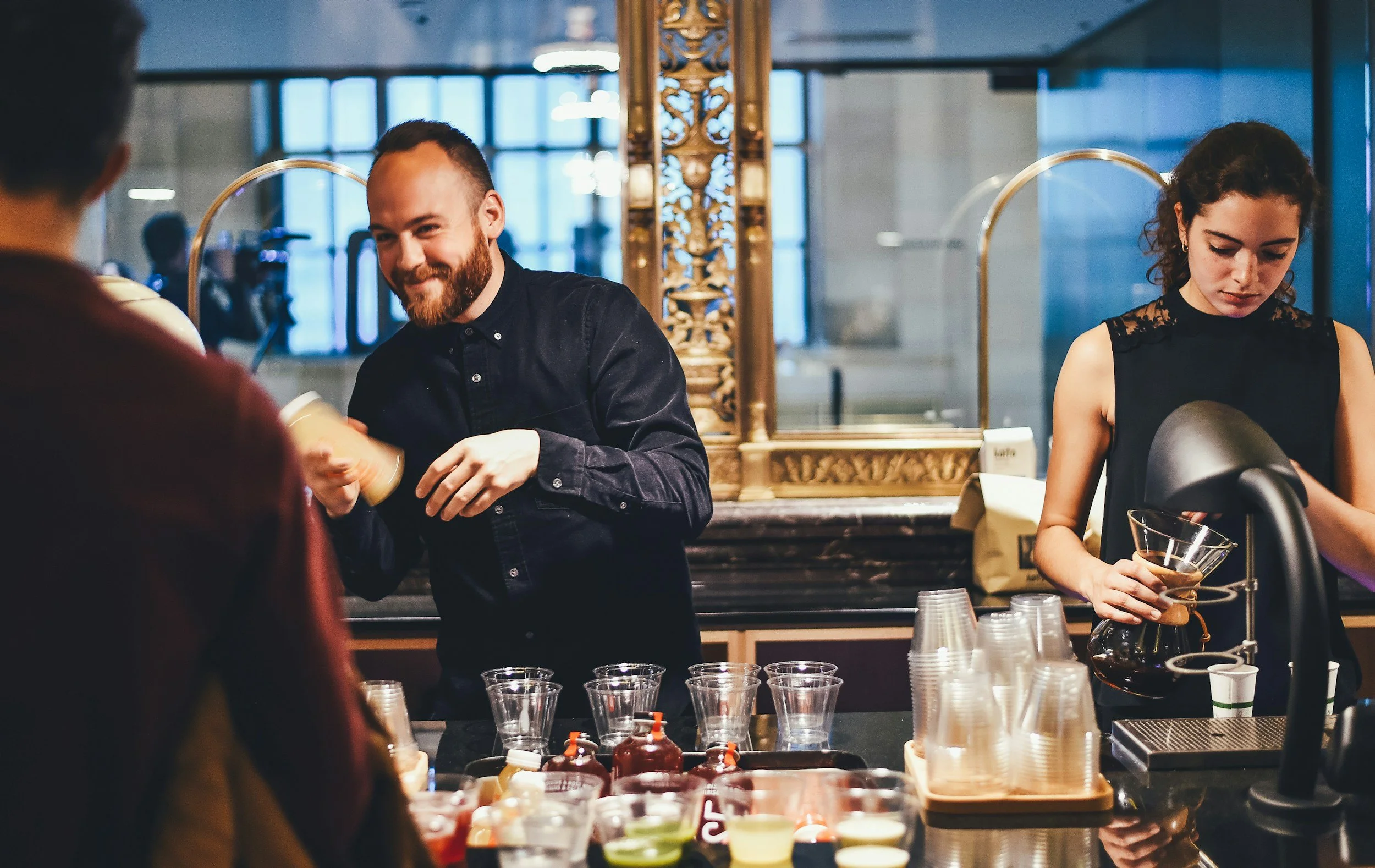
While there are plenty of careers out there where you’re totally broken free from the desk and you get to move around a lot, for whatever reason here, hospitality is the one that doesn’t get nearly as much respect as it should. But no, really here, like hospitality gets treated like “starter work” way too often, which is kind of wild when you think about what people are actually doing during a shift. It’s not just carrying plates, pouring drinks, checking people in, taking orders, or smiling through a customer complaint that should’ve stayed as an inside thought.
If you’ve ever seen it with your own eyes (not even working but see it), it’s handling pressure in real time. It’s reading people quickly. It’s learning how to stay calm when the kitchen is backed up, someone’s card isn’t working, a table is annoyed, the phone is ringing, and a coworker has disappeared at exactly the wrong moment. You can even watch that show, The Bear, and you get a bit of an idea of how stressful this can be.
But for someone trying to build a career, especially in a small business environment, that kind of experience can be surprisingly useful. Might be hard to believe here, but it’s true because hospitality teaches practical skills fast, mostly because it doesn’t really give anyone the luxury of learning slowly.
You Learn People Skills, Because You Have To
Nope, there’s just no choice at all here. But some jobs let people avoid awkward conversations for a while. Hospitality doesn’t. So, think about it here, because customers ask questions, complain, change their minds, get confused, need help, and occasionally act like the menu for whatever reason here got them mad (like if they don’t understand something clear enough).
After enough shifts, a person learns how to explain things clearly, calm situations down, keep a friendly tone, and not take every difficult interaction personally. That’s not a tiny skill here, nope, far from it. Sure, being on a phone doing customer service is one thing, but when it comes to people at restaurants and hotels, it’s a whole other can of worms (and you might even lose your faith in humanity, as awful as that sounds, too).
The Pressure Teaches You How to Think Quickly
Well, you literally have no choice; you have to think quickly here, too. But it’s good, well, mostly because that kind of work teaches prioritizing in a very real way. What needs attention now? What can wait? Which customer is about to get annoyed? Which task will cause a bigger problem if it’s ignored? That’s not just “being busy.” That’s learning how to manage moving parts without completely falling apart. Sure, by all means, it’s horribly stressful, but once you get used to it, it’s honestly not that bad.
There’s More Room to Grow than People Think
Of course, it depends on what you’re wanting to do here. But one of the best things has to be the fact that hospitality doesn’t have to stop at entry-level shifts. It could take years, but it could very well get to the point where you could become a sous chef, a manager, an assistant manager, the PR, or the marketing person. Sure, some people go to school for that stuff, you could, or you could just work your way into getting that experience.
But sure, there are some formal training courses you could still do, like getting an alcohol certification if you’re a server or bartender. But the point is, people know hospitality for the entry point, but you can work your way up and not go the education route (unless you want to).