
Essential Facility Maintenance for Small Businesses

As a small business owner, managing a physical workspace or production facility can feel like juggling a dozen priorities at once. Between driving revenue and keeping clients happy, infrastructure maintenance easily slips to the bottom of your list. However, a reactive "fix it when it breaks" mindset is a costly operational trap. Proactive facility care preserves your hard-earned capital, boosts team morale, and guarantees your doors remain open.
This proactive approach extends beyond internal systems to the exterior of your property, where maintaining curb appeal and safety requires a similar foresight. Implementing a commercial lawn care plan can prevent costly overhauls and ensure a professional appearance year-round. This involves scheduled services that address seasonal needs like fertilization, pest control and proper mowing techniques to keep the grounds looking their best without demanding constant attention from the business owner.
Understanding the High Stakes of Equipment Reliability
Every piece of machinery in your facility represents a significant financial investment and a vital link in your operational chain. Whether you manage a retail store, a workshop, or a light manufacturing space, unexpected equipment failure brings business to a grinding halt. Performing routine preventive maintenance is critical to air compressor performance and uptime, as well as the overall longevity of your primary mechanical hardware. When these heavy systems operate efficiently, your workflows remain entirely smooth, safe, and predictable.
For small enterprises relying on pneumatic tools or specialized assembly machinery, dedicated care is non-negotiable. Booking professional industrial air compressor servicing ensures that your system undergoes rigorous diagnostics, preventing costly, unexpected breakdowns. By dedicating resources to routine check-up routines for your primary utility systems, you safeguard your business against sudden operational freezes that alienate clients and slash revenue.
Managing Moisture Control and Pneumatic System Health
A common yet overlooked aspect of facility upkeep involves moisture management within your pneumatic infrastructure. Many business owners are unaware that compressed air systems generate substantial moisture during daily operations. Without adequate drainage and regular checks, accumulated water corrodes internal components, ruins product batches, and destroys delicate downstream tools.
To maintain system integrity, facility managers must pay close attention to automated drainage mechanisms. For instance, a stuck-open drain is a constant air leak; a stuck-closed drain allows moisture downstream. Both scenarios present severe issues: an open drain continuously wastes expensive energy, driving up utility bills, while a closed drain floods your pipelines with moisture, causing rust. Regular inspection of these drainage valves protects your workspace environment from insidious structural damage.
Leveraging Automation and Sensor Technology
Modern facility management relies heavily on smart technology to monitor equipment health while you focus on business growth. Integrating sensors into your critical machinery acts as an early warning system, alerting your team to minor mechanical anomalies before they escalate into full-scale catastrophes. Utilizing these automated tools allows small businesses to run leaner, smarter, and with far less operational anxiety.
These safety mechanisms are particularly valuable for protecting primary equipment motors and internal components from catastrophic failure. Most compressors have a sensor that prevents startup if the oil level in the sump is too low. This simple automated safeguard prevents the engine from seizing, saving the business thousands of dollars in emergency replacement costs. Ensuring these diagnostic sensors are functional should be a core component of your monthly facility checklist.
Optimizing HVAC and Indoor Air Quality
The comfort of your employees and customers directly impacts your business’s bottom line and reputation. A malfunctioning heating, ventilation, and air conditioning (HVAC) system does more than cause physical discomfort; it actively degrades indoor air quality and spikes your monthly overhead. Neglected systems trap allergens and dust, potentially leading to increased employee sick leave and decreased daily productivity.
To optimize your indoor climate, replace air filters every quarter and schedule comprehensive seasonal inspections. Cleaning coils and checking ductwork for leaks keeps your system running at peak energy efficiency. A well-maintained climate control system provides an inviting environment for clients while demonstrating your commitment to a healthy, supportive workplace for your team.
Establishing Plumbing and Moisture Management Safeguards
Hidden water leaks are among the most destructive hazards a small business facility can face. A small, unnoticed drip behind a wall or beneath a commercial sink can silently rot building materials, foster dangerous mold colonies, and result in catastrophic structural repair bills. Moreover, erratic water pressure can stress your plumbing joints, leading to sudden, disruptive pipe bursts.
Establishing a routine plumbing audit with trusted professionals such as Sydney plumbers Dial Up is an excellent way to mitigate these quiet operational risks. Instruct your team to check water meters during off-hours to detect hidden leaks, inspect water heaters for signs of corrosion, and clear main drains annually. Staying ahead of plumbing wear keeps your business compliant with local health codes and prevents sudden closures.
Upkeeping Structural and Aesthetic Property Assets
The exterior and structural elements of your facility serve as the very first impression for visiting clients and investors. Cracking pavement, peeling paint, or flickering exterior signage can subconsciously signal a lack of attention to detail to your target audience. Beyond aesthetics, structural neglect invites pests, compromises weatherproofing, and can even create serious liability risks from slips and falls.
Investing time in regular exterior walks allows you to spot minor structural issues before they become major liabilities. Clean out roof gutters before seasonal storms, seal cracks in your parking lot, and ensure all walkways are well-lit and accessible. Maintaining a pristine, structurally sound building protects your real estate value and creates a powerful, professional brand image.
Designing a Bulletproof Preventive Maintenance Schedule
Transitioning from chaotic reactive repairs to a structured preventative maintenance program requires clear planning and intentional execution. Rather than trying to track everything mentally, successful founders create a centralized maintenance calendar that outlines daily, weekly, monthly, and annual operational tasks. Delegating these duties clearly ensures accountability across your entire organization.
When building your tailored facility maintenance framework, make sure to include the following essential pillars:
Daily Visual Inspections: Check for obvious hazards, unusual equipment noises, and visible fluid leaks.
Monthly Safety Audits: Test fire extinguishers, smoke detectors, emergency exit lighting, and automated security systems.
Quarterly Filter Changes: Swap out HVAC filters and clean ventilation intake grilles to maintain optimal air flow.
Bi-Annual Deep Cleans: Power-wash external walkways, clean interior carpets, and service heavy production equipment.
Annual Professional Appraisals: Hire certified contractors to inspect main electrical panels, structural roofing, and specialized machinery.
Financial Forecasting for Long-Term Facility Assets
A truly strategic approach to facility management treats maintenance not as an annoying expense, but as a critical element of financial forecasting. Every piece of hardware has a finite lifespan, and forward-thinking business owners budget for these lifecycle realities well in advance. By tracking the age and repair history of your infrastructure, you can avoid sudden capital allocation emergencies.
Establish a dedicated capital reserve fund specifically earmarked for future facility upgrades and major equipment overhauls. Knowing precisely when your roof, HVAC unit, or primary industrial machinery will need replacement allows you to navigate these transitions smoothly without taking on high-interest debt. Proactive financial planning around your physical workspace ensures your business remains resilient and agile.
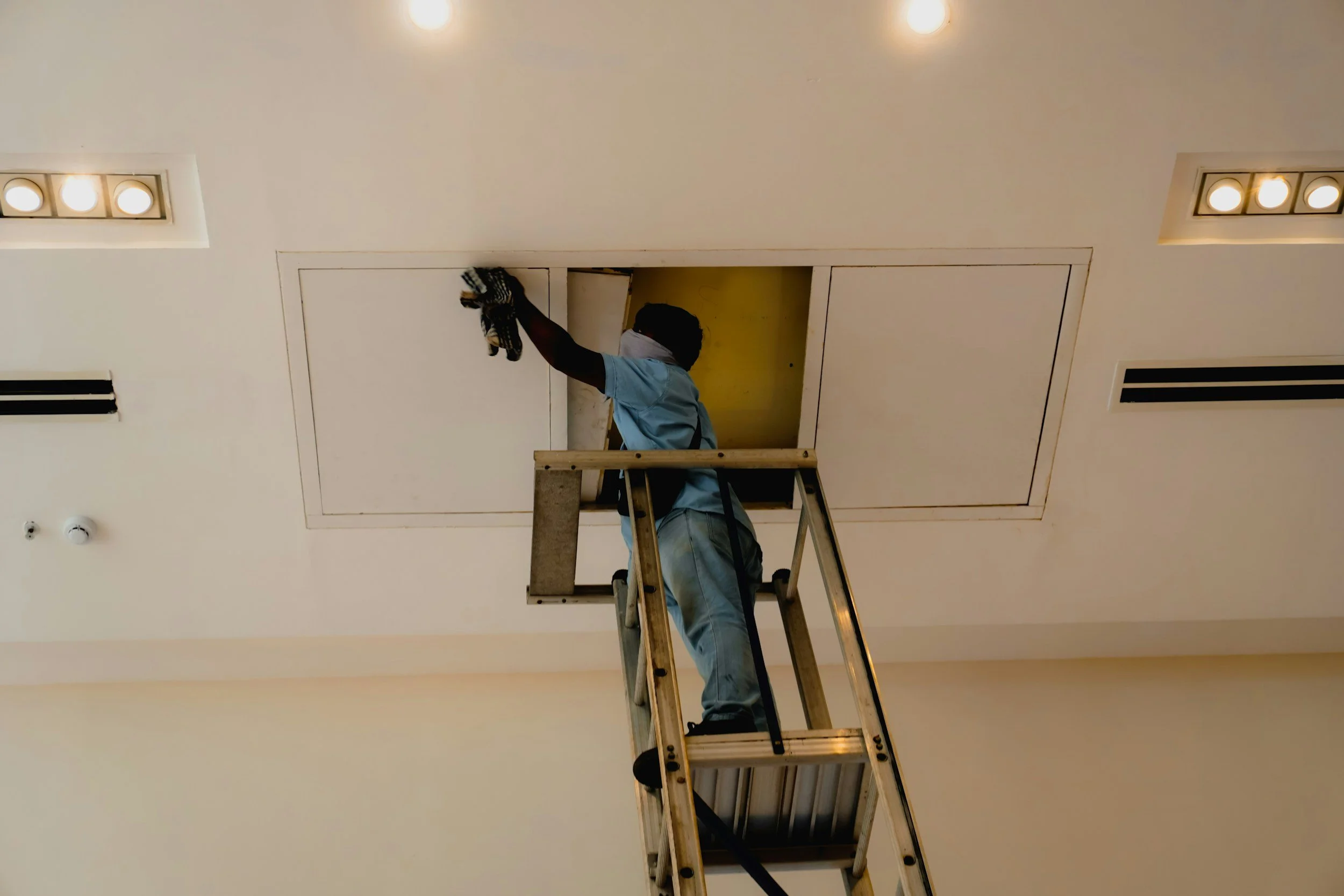
Taking control of your small business facility maintenance is a profound act of leadership that pays massive operational dividends over time. By stepping into a structured, preventative framework, you protect your team, your clients, and your profit margins. Embrace facility care as a core business strategy, and watch your operational efficiency and peace of mind soar to brand new heights.