
Designing a Founder's Workspace: Using Visual Storytelling to Spark Strategy and Innovation
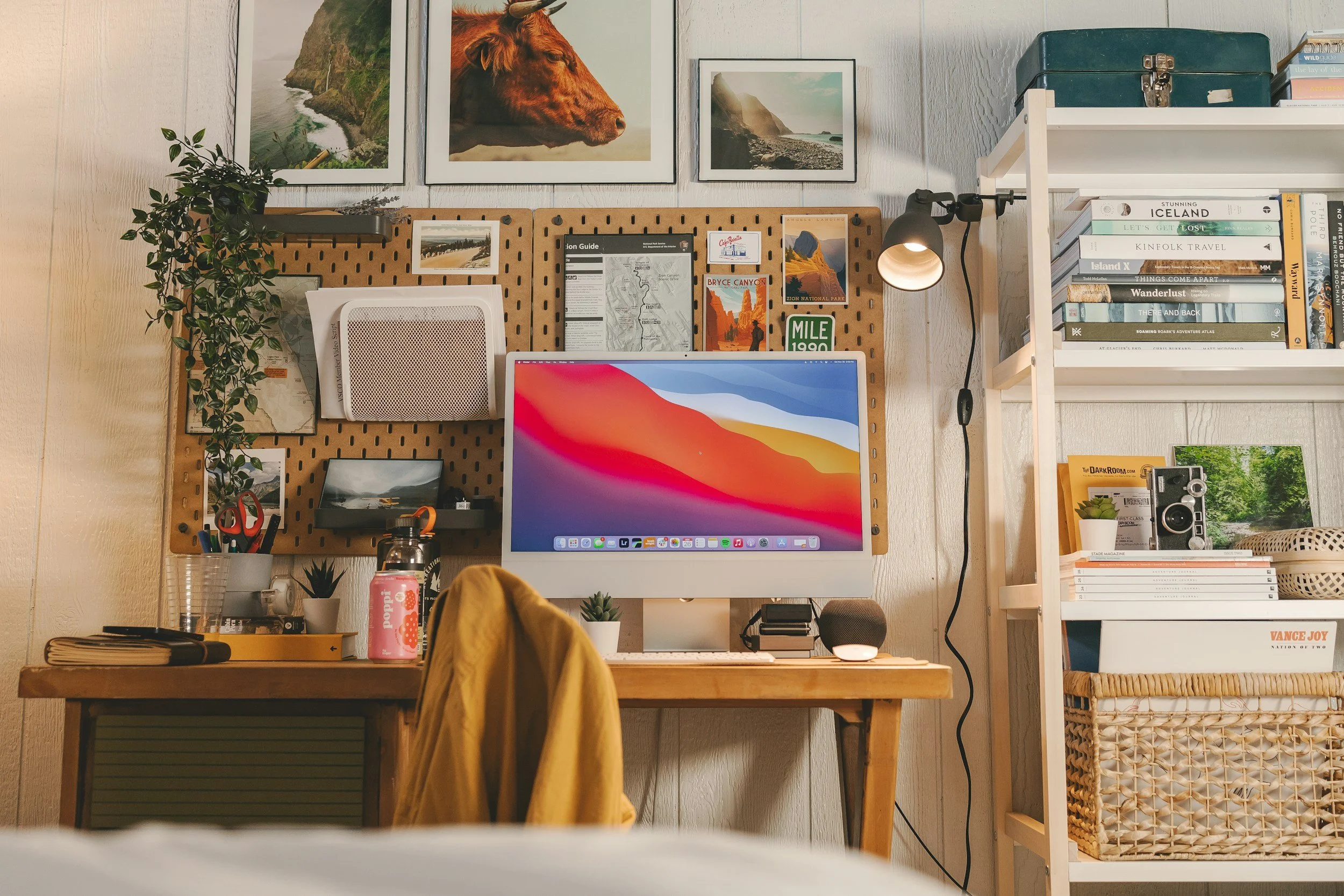
For founders and entrepreneurs, strategy doesn't only happen in boardrooms or spreadsheets. Some of the most important breakthroughs occur in quiet moments—when ideas connect unexpectedly, when perspective shifts, or when a long-term vision finally comes into focus. The environment where those moments happen matters more than many leaders realize.
A founder's workspace isn't just a place to answer emails or take Zoom calls. It's a daily touchpoint with ambition, creativity, and decision-making. And one of the most powerful yet underutilized tools for shaping that environment is visual storytelling.
When designed intentionally, visual elements can do more than look good. They can reinforce mindset, inspire innovation, and help entrepreneurs think beyond the immediate fires of day-to-day operations.
Why Environment Shapes Entrepreneurial Thinking
Entrepreneurs operate in a constant state of problem-solving. From cash flow challenges to team management to long-term growth strategy, the brain rarely gets a break. Research in environmental psychology suggests that surroundings directly influence cognitive performance, creativity, and stress levels.
A cluttered, uninspiring workspace often keeps founders stuck in reactive mode—focused only on what's urgent. In contrast, a visually intentional environment can gently pull thinking toward what's important: vision, direction, and possibility.
Visual storytelling plays a key role here. Unlike productivity tools or frameworks, visuals speak directly to the subconscious. They influence mood, motivation, and imagination without requiring extra effort or attention.
Visual Storytelling As A Strategic Tool
Visual storytelling refers to the use of imagery to convey meaning, narrative, or values. In a founder's workspace, this might include art, symbols, color palettes, or design elements that tell a story about where the business is going—not just where it is now.
This matters because strategy isn't purely analytical. The best strategic thinking blends logic with imagination. Leaders must envision futures that don't yet exist and guide teams toward them.
Strong visuals help anchor that future. They remind founders why they started, what they're building, and who they're becoming as leaders. Over time, these cues subtly influence decision-making, encouraging choices that align with long-term goals rather than short-term comfort.
Fantasy And Symbolism In Entrepreneurial Spaces
Fantasy-inspired visuals, in particular, resonate with many entrepreneurs because they mirror the entrepreneurial journey itself. Founding a business often feels like stepping into the unknown—facing obstacles, testing courage, and building something meaningful from scratch.
Fantasy imagery frequently uses archetypes: heroes, quests, transformation, resilience. These themes align naturally with entrepreneurship. A single powerful image can symbolize perseverance, vision, or mastery far more effectively than a motivational quote ever could.
Some founders choose symbolic artwork that reflects leadership, growth, or creative freedom. For example, thoughtfully selected fantasy art from collections like The GOAT Wall Art can act as a visual reminder that big ideas require bold thinking—without dominating the space or turning the office into a gallery.
Used sparingly, this kind of imagery becomes a personal anchor rather than a distraction.
Designing For Focus And Inspiration
A strategic workspace balances stimulation and clarity. Too much visual noise can overwhelm, while too little can feel sterile and uninspiring. The goal is to create an environment that supports both deep work and expansive thinking.
Founders can start by asking a few simple questions:
What kind of decisions do I make here?
Do I need more calm or more energy?
What future version of myself do I want this space to reflect?
Visual storytelling should serve those answers. For some, that might mean one strong statement piece that commands attention. For others, it could be a cohesive visual theme that subtly reinforces values like innovation, leadership, or resilience.
Lighting, wall space, and placement all matter. Visuals should be positioned where they're naturally seen during moments of pause—when leaning back in a chair or stepping away from the desk—not where they compete with active tasks.
Reinforcing Brand And Leadership Identity
For many small business owners, the line between personal identity and brand identity is thin. The founder's mindset often sets the tone for the entire organization. A workspace that reflects clarity, confidence, and vision can reinforce that leadership identity internally—and externally.
When clients, partners, or team members see a founder's space (even briefly on a video call), they're absorbing signals. Intentional visuals suggest thoughtfulness, creativity, and strategic awareness. They show that the founder values both form and function.
This doesn't mean designing for appearances alone. Instead, it's about alignment. When the workspace reflects the brand's deeper story—its ambition, values, and direction—it strengthens leadership presence and decision-making confidence.
Avoiding Distraction While Embracing Creativity
One concern founders often have is that creative visuals might distract from productivity. The key is intentionality. Visual storytelling works best when it's curated rather than cluttered.
A single meaningful image is often more powerful than multiple competing elements. Negative space matters. So does coherence. When visuals align with a clear theme or narrative, they support focus rather than fragment it.
Entrepreneurs should periodically reassess their workspace as their business evolves. What inspired early hustle might not support later-stage strategy. Updating visuals can signal a shift from survival mode to growth mode—or from growth to legacy thinking.
Small Changes, Long-Term Impact
Redesigning a founder's workspace doesn't require a full renovation. Often, the most impactful changes are small but deliberate: replacing generic décor with imagery that carries meaning, adjusting placement, or removing elements that no longer serve a purpose.
Over time, these choices compound. They shape how founders think during moments of uncertainty, how they approach complex decisions, and how they stay connected to the bigger picture amid daily demands.
Visual storytelling isn't about decoration. It's about creating an environment that quietly supports leadership, strategy, and innovation—every single day.
Conclusion: Designing For The Leader You're Becoming
Entrepreneurship demands vision, resilience, and the ability to imagine what doesn't yet exist. A founder's workspace should support that mental work, not work against it.
By using visual storytelling intentionally, small business owners can design environments that encourage strategic thinking, inspire innovation, and reinforce leadership identity. The right visuals don't just fill space—they tell a story about direction, purpose, and growth.
And in a world where founders are constantly asked to think faster and do more, a workspace that gently pulls the mind toward clarity and possibility may be one of the most strategic tools of all.