
8 Ways Smart Fleet Tracking Saves Your Service Business Money
Running a service business means keeping track of many moving parts at once. From dispatching technicians to monitoring vehicle health, the daily workload is often heavy.
Smart fleet tracking offers a modern solution to these age-old problems. These systems provide a clear view of where your assets are and how they perform every minute of the day.
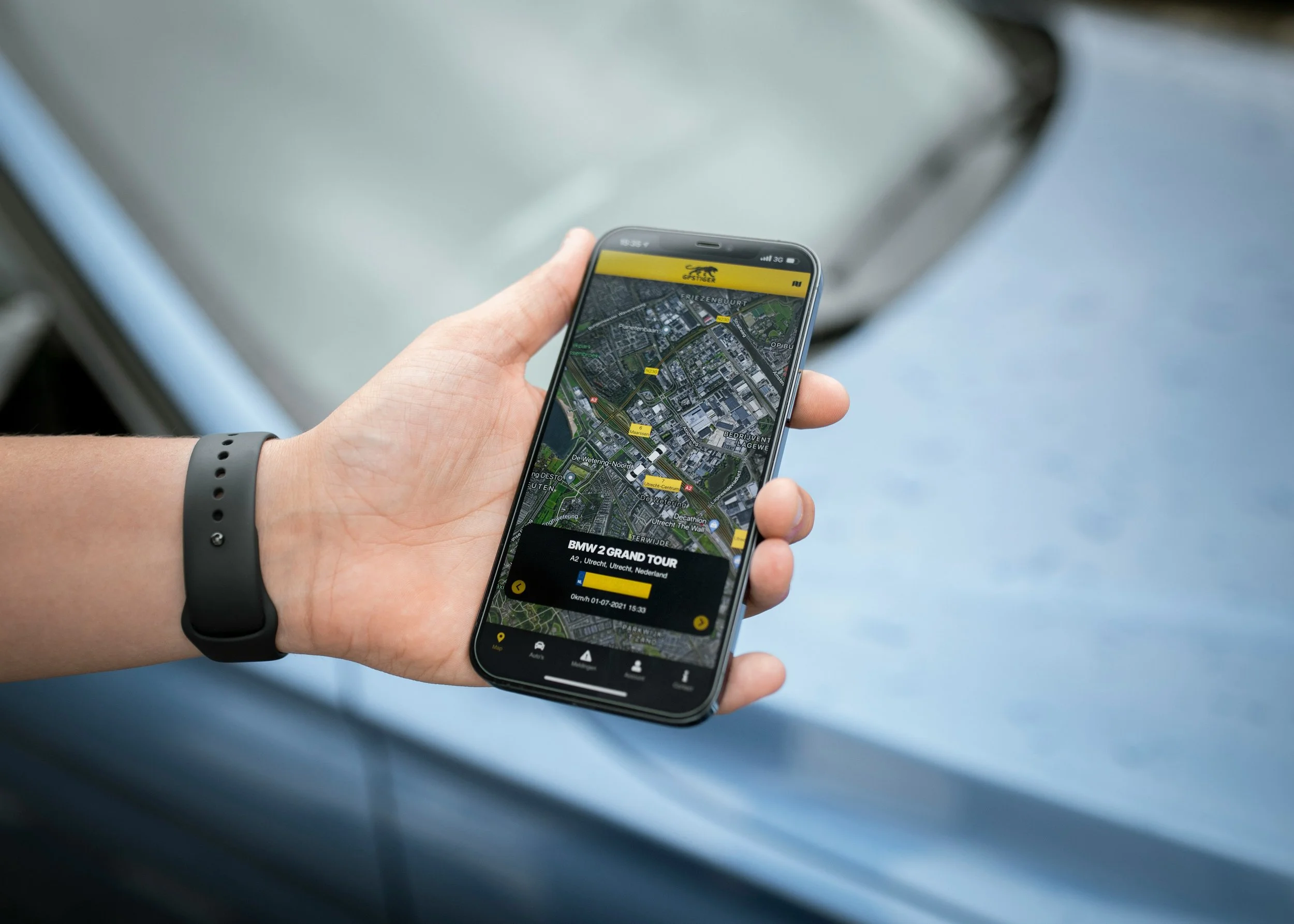
Better Fuel Efficiency Through Data
Fuel costs represent one of the largest ongoing expenses for any service company. When drivers idle in traffic or take longer routes than necessary, your profits literally vanish into thin air.
Tracking software identifies these patterns and helps you correct them before they become expensive habits. You can see exactly where fuel is being wasted and take steps to stop it.
Monitoring driver habits has a direct impact on how much you spend at the pump. Research from a university study shows that behavior-based feedback programs can cut fuel consumption by as much as 15%. Drivers tend to alter their habits when they know their performance is being measured.
Reducing the speed of your vehicles is another simple way to lower costs. High speeds burn fuel much faster and put extra stress on the engine. With a tracking system, you can set alerts to notify you when a vehicle exceeds a certain limit.
Predictive Maintenance Prevents Breakdowns
Unexpected repairs can bring your entire business to a screeching halt. When a van breaks down in the middle of a job, you lose out on the labor and the trust of your customer.
Waiting for something to fail before fixing it is a gamble that rarely pays off. Smart tracking allows you to move toward a proactive model where you handle repairs on your own schedule.
Modern systems use advanced sensors to monitor the health of every vehicle in your lineup. One industry report explains that AI predictive maintenance technologies help in mitigating the higher cost of maintenance by analyzing potential breakdowns.
Staying ahead of the maintenance curve extends the total life of your fleet. Vehicles that receive regular care last longer and hold more value when it is time to sell them. You can automate service reminders based on actual mileage or engine hours.
Optimized Routing Saves Time
Time is the most valuable resource for any technician in the field. When your team spends their day stuck in gridlock, they are not completing billable tasks. Poor routing leads to frustrated employees and even more frustrated customers who are left waiting.
Smart tracking tools analyze traffic patterns and road conditions to find the fastest path forward. Using fleet management with cameras helps managers see exactly what is happening on the road in real time. You can then relay this information to your drivers to keep them moving toward their next appointment.
Better routing does more than just save time on a single trip. It allows you to fit more service calls into a single workday without exhausting your staff. When you maximize the number of jobs completed per gallon of fuel, your margins grow.
Lower Insurance Premiums For Fleets
Insurance is a mandatory cost that seems to rise every single year. Providers look at your risk profile to determine how much you should pay for coverage.
If you have a history of accidents or high-speed driving, your rates will skyrocket. Fleet tracking provides the hard data you need to prove your business is a low risk to insurers.
Many insurance companies now offer discounts to businesses that use telematics and tracking software. By showing that you monitor driver safety, you can often negotiate a much lower monthly premium.
In the event of an accident, tracking data provides a clear record of what happened. This can protect your business from false claims or unfair blame in a collision. Having a digital witness on your side prevents legal fees from draining your bank account.
Reducing Unauthorized Vehicle Use
When company vehicles are used for personal errands, your business pays the price. Unauthorized use increases wear and tear and adds unnecessary miles to the odometer.
Set digital boundaries around your office or job sites.
Get instant notifications if a van is started after work hours.
Monitor weekend activity to ensure assets are parked safely.
Review trip histories to verify every mile was for a client.
Clear oversight creates a culture of accountability among your staff. Employees are less likely to misuse company property when they know the data is being recorded. This doesn't mean you don't trust your team, but it does provide a layer of protection for your assets. Eliminating "side jobs" or personal trips can save hundreds of dollars in hidden costs.
Improved Dispatching Speed
The speed of your response often determines whether you win a new contract. When a customer calls with an emergency, they want to know how soon a technician can arrive. Without tracking, dispatchers have to call every driver to find out who is closest.
A live map shows you exactly where every technician is located at all times. You can instantly assign a new job to the person who is just around the corner.
Efficient dispatching helps manage the workload of your team more fairly. You can see who has been on the road the longest and who has capacity for another call.
Accurate Billing And Payroll
Disputes over invoices can damage your relationship with long-term clients. If a customer feels they were billed for four hours when the tech was only there for two, you have a problem. Tracking software provides a digital log of exactly when a vehicle arrived and when it departed a job site.
Payroll is another area where precision saves money. Instead of relying on manual timesheets that are often rounded up, you can use GPS data to verify hours worked. Eliminating even 15 minutes of "padding" per day per driver adds up to significant savings.
Automating these records saves your office staff hours of manual data entry. They can pull reports in seconds rather than chasing down paper logs at the end of the week.
Protecting Assets From Theft
Losing a vehicle to theft is a nightmare scenario for any small business owner. Beyond the cost of the vehicle, you lose the tools inside and the revenue from the jobs that the van was supposed to do. Recovery rates for stolen vehicles are often low without some form of tracking.
Real-time location data allows you to work directly with law enforcement to track a stolen asset. Many systems even offer remote engine shut-off features to stop a thief in their tracks. Your insurance company may look more favorably on your claim if you have these protections in place.
Peace of mind is hard to price, but it is a major benefit of smart tracking. Knowing that your expensive equipment and vehicles are monitored 24/7 reduces stress. You can rest easy knowing that your investment is being watched even when the office is closed.

Running a service fleet is a constant challenge that requires your full attention. Every mile driven and every hour spent on the road affects your total profit. You move away from guessing and toward a model built on hard evidence and real-time data.
The transition to a tracked fleet is often easier than most owners expect. The software is intuitive and provides immediate feedback that you can use to improve your daily operations. Saving money on fuel, insurance, and maintenance is just the beginning of the benefits.