
Opening a greenhouse operation takes more than seeds, soil, and a structure. Before you sell your first flat of annuals or ship your first wholesale order, you need the right licenses and permits in place. Skip one, and you risk fines, forced shutdowns, or losing the ability to sell across state lines.
The requirements vary by state, county, and city. A grower in Georgia faces different rules than one in Oregon. But the categories are consistent. Every commercial greenhouse operation needs some version of these seven licenses and permits to operate legally.
Getting the paperwork right also affects your insurance. Carriers like NIP Group that specialize in greenhouse and nursery coverage look at your compliance posture when underwriting your policy. Operating without required permits can create gaps in your coverage if a claim arises.
Here's what you need before opening day.
1. General Business License
Every commercial greenhouse needs a local business license to operate within its city or county. This is the most basic requirement, and it applies regardless of what you grow or how you sell it.
Your local government issues this license. It typically requires registering your business name, providing your address, and paying an annual fee.
Don't overlook zoning approval. Greenhouse structures, especially larger commercial operations, may need specific zoning clearance for agricultural use. A property zoned residential or commercial may not allow a growing operation without a variance or conditional use permit.
2. Nursery Grower's License
Most states require a nursery grower's license or nursery stock dealer permit before you can legally sell live plants. The state department of agriculture typically issues this license.
The purpose is pest and disease control. Before issuing the license, inspectors visit your facility to confirm your stock is free of regulated pests and diseases. You'll need to pass this inspection before your first sale.
Some states separate grower permits from dealer permits. If you propagate and grow your own stock, you need the grower's license. If you buy wholesale and resell, you need the dealer permit. Operations that do both may need both.
Quick summary: The nursery grower's license is state-issued, inspection-based, and required before you can sell live plants. Without it, every sale is technically illegal, and your state agriculture department can shut you down.
3. Sales Tax Permit
If you sell plants, pots, soil, or tools directly to customers, you need a sales tax permit from your state's department of revenue. This allows you to collect sales tax at the point of sale and remit it to the state.
Some states exempt certain agricultural products from sales tax. Others don't. The rules vary widely. In some states, wholesale transactions between nurseries are exempt, but retail sales to the public are taxable.
Apply for this permit before your first retail transaction. Operating without one creates back-tax liability that compounds quickly.
4. Pesticide Applicator Certification
If your operation uses restricted-use pesticides, at least one person on your team needs a pesticide applicator certification. Your state department of agriculture manages this program.
Most greenhouse growers who apply chemicals on their own property qualify as private applicators. Private applicators need training but may not need a written exam in every state. If you hire someone specifically to apply pesticides, they'll need a commercial applicator license, which does require testing.
Even if you only use general-use products, keeping records of every application is smart. Inspectors can ask for application logs, and your insurance carrier may request them during a claim involving chemical drift or contamination.
5. Stormwater and Environmental Permits
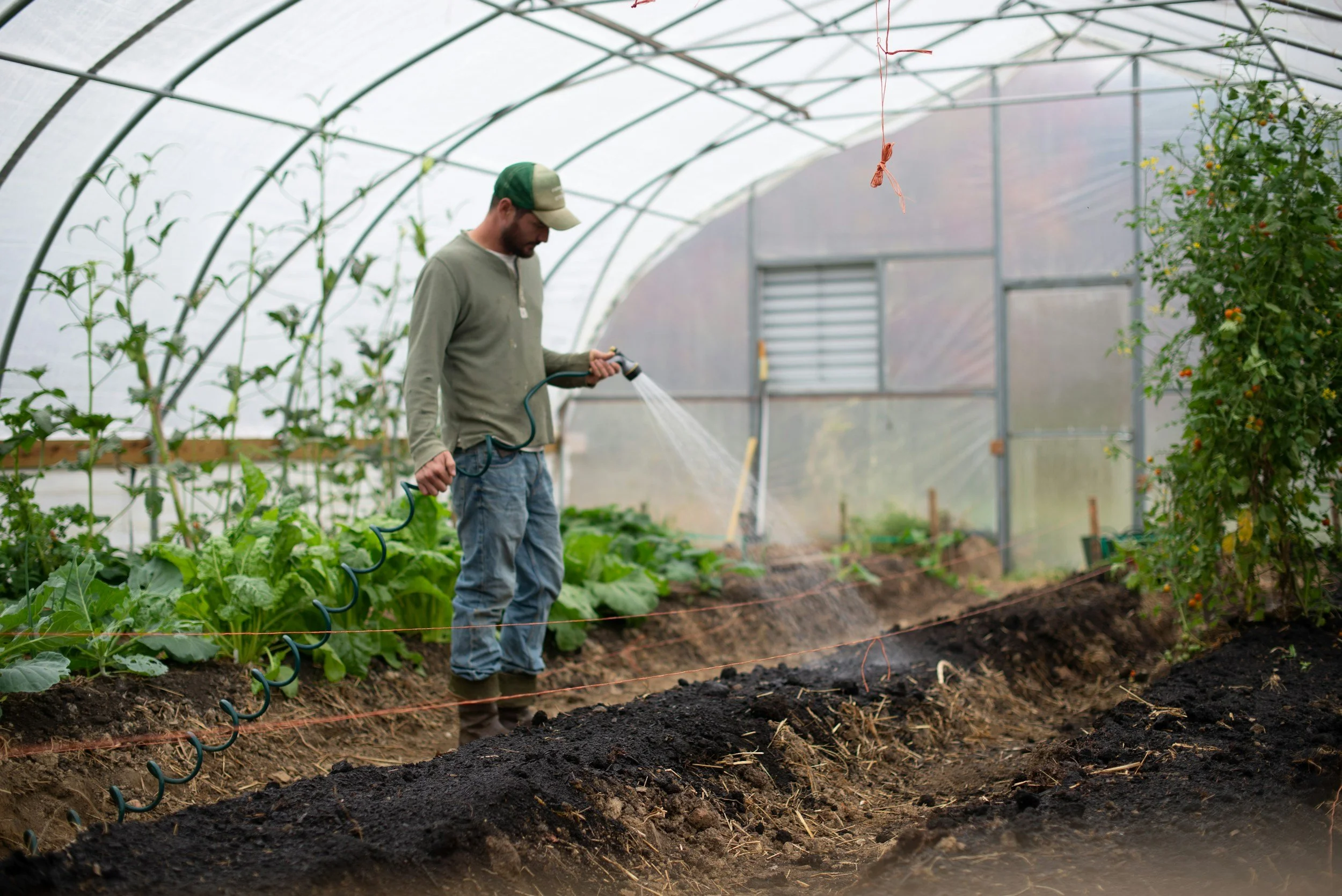
Commercial greenhouses use significant amounts of water. Irrigation runoff carrying fertilizers, pesticides, or sediment falls under EPA and state environmental regulations.
If your operation discharges water into storm drains or waterways, you may need a stormwater permit under the National Pollutant Discharge Elimination System (NPDES). Your state environmental agency administers this program.
Larger operations may also need water use permits depending on the source. Drawing from wells, rivers, or municipal supplies above certain thresholds triggers additional permitting in many states.
Note: Environmental violations carry heavy fines and can affect your insurance. A pollution event without the proper permits in place may fall outside your coverage. Confirm that your policy accounts for your water management practices.
6. Phytosanitary Certificate for Interstate Shipping
If you ship plants across state lines, you'll need a phytosanitary certificate from your state's department of agriculture. This certificate verifies that your stock has been inspected and is free of quarantined pests and diseases.
Each shipment may require its own certificate depending on the destination state's requirements. Some states have specific quarantine lists for pests like the Asian citrus psyllid, Japanese beetle, or sudden oak death pathogen. Shipping regulated plant material without proper certification can result in seized shipments and fines.
This is especially relevant for wholesale growers who supply garden centers or landscapers in multiple states.
7. Building and Fire Safety Permits
Greenhouse structures need building permits. Heated greenhouses, especially those running gas or oil-fired boilers, also require fire safety inspections and permits from the local fire department.
Building codes for greenhouses vary by municipality. Some jurisdictions classify them as agricultural structures with lighter requirements. Others apply commercial building standards, especially if the greenhouse includes a retail component or employees work inside year-round.
Electrical permits are required for any wired systems including lighting, ventilation, climate controls, and backup generators. If you're installing propane or natural gas heating, a separate fuel storage permit may apply.
Providers like NIP Group factor your structure type, heating system, and fire suppression setup into your property coverage. A greenhouse running automated climate controls and storing flammable fuels carries different property risk than a simple hoop house with no utilities.
Important: Don't assume your greenhouse qualifies for lighter agricultural permitting. If your structure has retail space, employees, or utility connections, local authorities may apply commercial building codes. Check before you build.
FAQs
What licenses and permits do I need to open a greenhouse?
At minimum, you need a general business license, a nursery grower's license from your state agriculture department, and a sales tax permit if selling directly to customers. Depending on your operations, you may also need pesticide certification, environmental permits, phytosanitary certificates, and building permits.Do greenhouse growers need a pesticide applicator license?
If you use restricted-use pesticides, at least one person at your operation needs certification. Private applicators who apply chemicals on their own property may qualify for training-only requirements in some states. Commercial applicators who are hired to apply pesticides must pass a written exam.What happens if I operate a greenhouse without the required permits?
You face fines, forced shutdowns, and potential seizure of plant stock by state agriculture inspectors. Operating without required licenses and permits can also create insurance gaps. Carriers may deny claims that arise from unpermitted activities or facilities that don't meet code requirements.Do I need special permits to ship plants across state lines?
Yes. A phytosanitary certificate from your state agriculture department verifies that your stock is pest-free and eligible for interstate transport. Some destination states have quarantine lists for specific pests, and shipping without proper certification can result in seized shipments and regulatory penalties.