

Conversational AI transforms your laptop into an objective hiring manager who never gets tired of running mock interviews. You no longer have to rely on busy career center advisors to get high-quality, interactive feedback.
Stumbling through behavioral questions, the classic "tell me about a time when..." prompts, with your roommate on the couch does not actually prepare you for a real corporate setting. You need realistic scenarios to build a genuine professional presence and confidence. The corporate job market is highly competitive for business majors, meaning you must be thoroughly prepared before your first official interview.
When midterm exams collide with corporate recruiting events, turning to a trusted college essay service is often a smart move to keep your head above water. Delegating papers to a professional platform like EssayService allows you to manage a crushing academic workload, freeing up the vital hours needed to run intensive, voice-enabled AI mock interviews.
Here are the exact strategies top business students use to turn generative AI into a personalized career coach.
Simulating realistic corporate communication
Voice-enabled AI models encourage you to respond to complex behavioral questions verbally without typing or editing your answers. When you speak out loud to a machine, you practice managing the natural nerves you will feel during an actual behavioral interview.
Business recruiters actively want to see how you handle unexpected pivot questions. If you pause to gather your thoughts, practicing out loud helps you learn how to do so smoothly rather than freezing up completely.
To make the simulation realistic, instruct your voice AI to adopt these specific corporate personas:
A detail-oriented hiring manager
A busy project lead
A friendly but easily distracted human resources recruiter
Testing the STAR method in real-time
Prompting an AI to interrupt you if you forget to explain the "Result" of your story ensures your STAR method remains perfectly structured. The Situation, Task, Action, Result framework is mandatory when answering behavioral questions, yet most students completely fail to land the ending.
When you practice with a bot, it acts as an active listener that demands proof of your capabilities. If you tell a vague story about salvaging a struggling group project, the AI will immediately press you to explain exactly how you diagnosed the issue and what quantitative impact your solution had on the final deliverables or outcome.
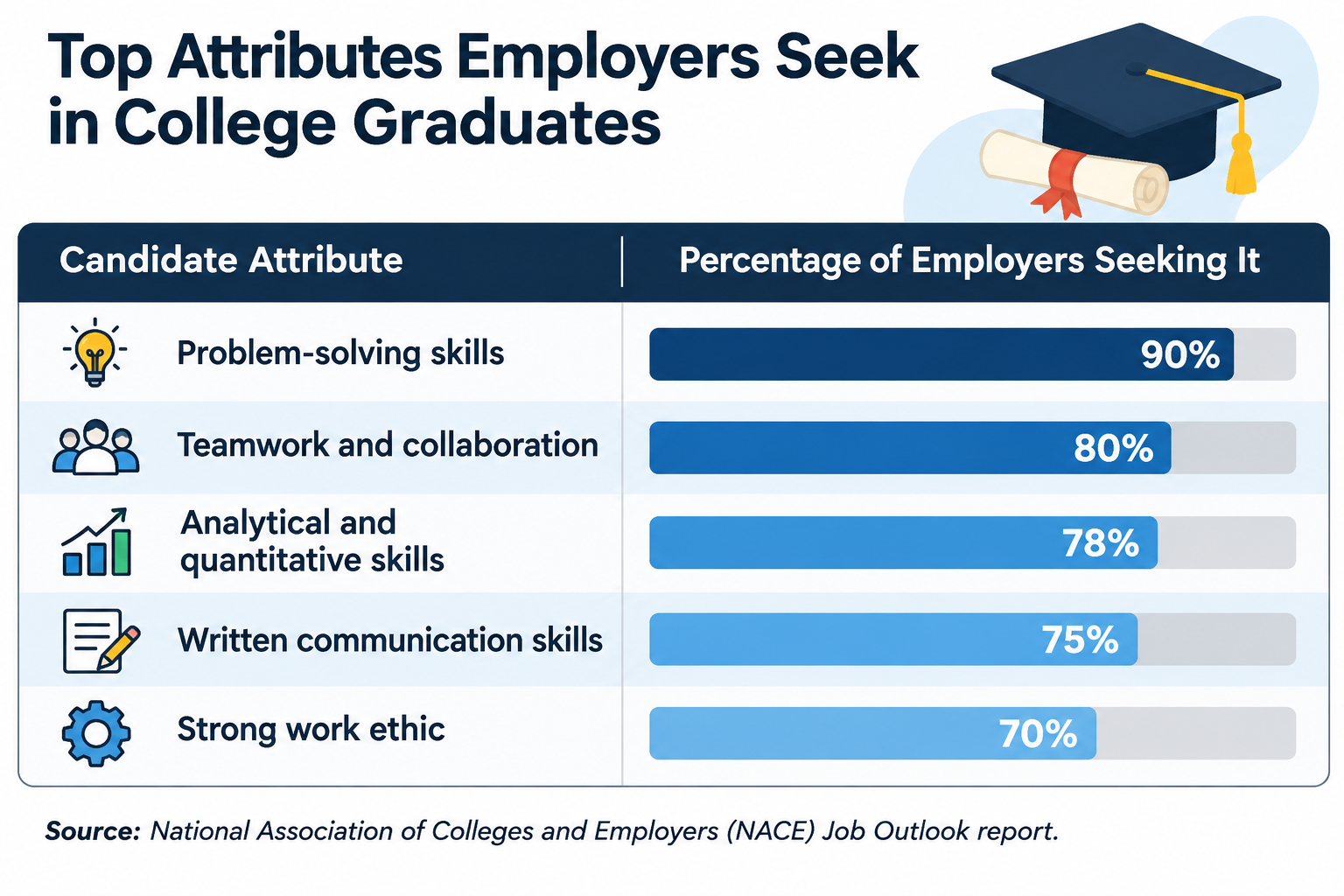
By forcing you to defend your actions with concrete logic and hard numbers, the AI naturally trains you to highlight your analytical reasoning and dedication. Structuring your stories to emphasize the skills outlined below is crucial because they are exactly what recruiters look for.
Eliminating filler words through audio analysis
Recording your mock sessions allows the AI to generate a precise transcript that highlights every single time you use a damaging crutch word. Saying "um," "like," or "you know" can distract from your core message when explaining a past project to a hiring manager.
We rarely hear our own verbal tics in the moment because our brains are too busy formulating the next sentence. Reviewing the raw, unfiltered data forces you to confront your speaking habits objectively so you can actively suppress them.
Blog writer Phil Collins from the essay writing service EssayService notes that fixing these minor verbal habits is often the fastest way to instantly sound more prepared. Once you finish a voice session, use your AI tool to break down the audio data using these steps:
Upload your raw audio file to calculate your filler word frequency.
Ask the software to analyze your average words spoken per minute.
Identify the exact sentences where your voice trails off or sounds noticeably uncertain.
Have the algorithm rewrite your weakest verbal responses into punchy, confident statements.
Customizing industry-specific entry-level scenarios
Feeding the AI a specific job description allows it to generate targeted behavioral questions you will actually face as a candidate. A global supply chain management interview looks absolutely nothing like a Big Four accounting firm interview.
Generic practice questions like "What is your biggest weakness?" are rarely specific enough to help you land a specialized role. You need to practice handling the daily, entry-level challenges that prove you understand the specific industry's workflow.
You can instruct the bot to test your knowledge on practical, real-world business situations like:
Resolving an inventory bottleneck in a supply chain management simulation
Explaining a variance discrepancy during a Big Four accounting mock audit
Adjusting a campaign budget after a sudden shift in digital marketing analytics
Justifying a valuation model assumption during a finance analyst interview
Refining post-interview salary negotiations
Using the bot as a stubborn hiring manager creates a safe environment to practice defending your target salary without risking an actual job offer. Most business students completely freeze the second money gets brought up by a recruiter.
They accept the very first number offered because they don’t know how to negotiate confidently. Practicing this specific conversation removes the emotional anxiety attached to asking for fair compensation.
Top candidates use AI to run through dozens of lowball offer scenarios before they ever sit down at the negotiation table. You can easily program the bot to be extremely stingy, forcing you to pivot the conversation toward alternative compensation like signing bonuses or relocation assistance.
Best AI tools for behavioral interview preparation
Setting up your digital practice space is easier than ever with the current generation of generative language models. You do not need expensive, enterprise-level software to get started with mock interviews today.
Most business majors rely on these accessible ai tools for their daily practice:
ChatGPT's native voice mode for fluid, real-time conversations
Google Gemini for analyzing job descriptions and generating custom interview evaluation rubrics
Specialized interview apps like Yoodli for advanced speech coaching and pacing metrics