
5 Best Ways to Improve Branding Through Product Packaging
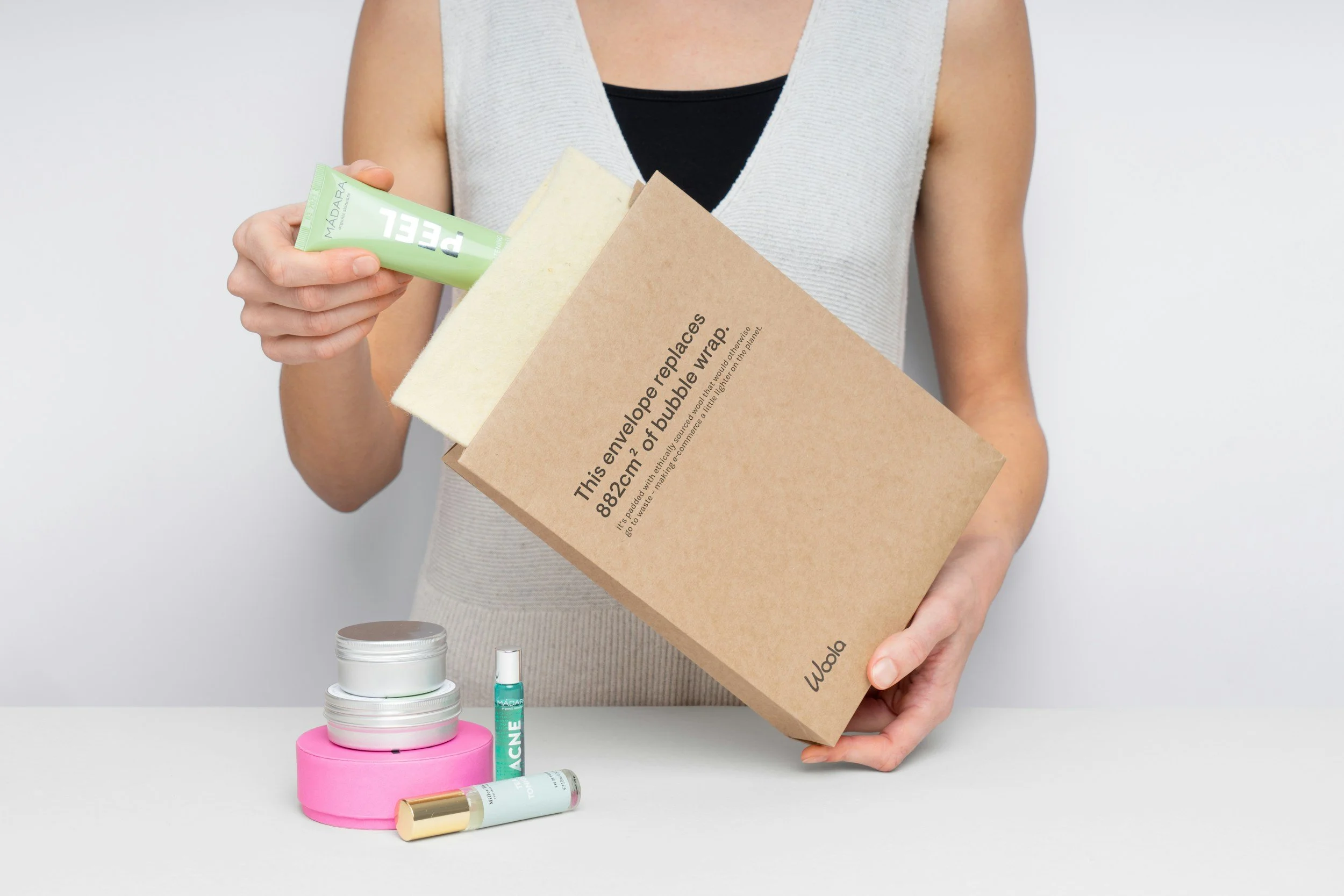
Branding has a way of spreading. It shows up in how a business communicates, how it responds to people, and often in places that never make it into a brand guide. Packaging is one of those places. For many customers, opening a box is the first real interaction they have with your business.
Not a landing page. Not a pitch deck. A physical object that either feels considered or rushed. That moment quietly answers a question most brands never ask out loud: Does this feel like something I can trust? Good packaging doesn’t need attention. It just needs intention. When it’s done thoughtfully, it does branding work long after the ads stop running. We’re going to discuss the 5 best ways to enhance the branding of any product with its packaging. So, stay connected!
1. Build recognition through consistent packaging design
Often brands take consistency for granted. However, it is one of the most overlooked advantages when you want to increase the branding of your product. When customers recognize your product without reading where it belongs, you remove friction from the buying decision.
Strong packaging consistency shows up when:
Colors and typography remain the same across all product variations
Logo placement feels deliberate and unchanged over time
Packaging layouts follow a familiar structure, even across new launches
Materials reflect the same quality level across your entire line
Seasonal or limited editions still feel unmistakably on brand
If your brand positions itself as luxurious, then dull or thin packaging creates doubt in buyers. If you want to convey carbon neutral message, then the addition of excessive layers feels disconnected. Customers may not articulate these moments, but they register them instantly.
Brands like Apple rarely redesign packaging dramatically. Instead, they refine it. That visual familiarity builds comfort, and comfort leads to trust.
When packaging feels consistent every time, customers stop evaluating your credibility. They already believe in it.
2. Use structure and materials to communicate value
Packaging shape and materials send a message before the product is ever touched. Weight, rigidity, and finish all influence how quality is perceived.
You start to notice this when:
Heavier packaging feels more deliberate and considered
Clean edges and solid construction suggest durability
Materials match the price point of the product inside
The box protects without feeling excessive
The structure feels designed, not generic
For Example: A custom rigid boxes supplier understands how much structure and finish influence first impressions. So, they’re offering boxes that not just protect the product but also affect buyer perception of the brand.
Lightweight mailers can work well for convenience-driven brands. However, rigid boxes are suitable for the products that are meant for gifting, display, or long-term use. When structure aligns with brand promise, customers feel the value immediately.
3. Turn unboxing into a brand experience
Unboxing is not a trend. It is one of the few moments where customers give your brand their full attention.
A strong unboxing experience usually includes:
Packaging that opens smoothly without struggle
Inserts that hold products securely and quietly
No unnecessary rattling or wasted space
A sense of pacing that slows the moment down
Visual details that reward attention
Rigid boxes naturally support this kind of experience. Magnetic closures, lift-off lids, and layered interiors with appealing printing encourage the customers to pause and take things in.
If you have ever tested collapsible boxes, you may know they solve a familiar tension. You get the presence and weight of rigid packaging while keeping storage and shipping practical.
When opening the box feels calm and intentional, customers remember the brand behind it and often share the moment with others.
4. Use packaging to tell your brand story
Packaging can raise or reduce the impact of a brand’s marketing, because it is one of the few marketing channels that buyers physically interact. That makes it a natural place for storytelling.
Effective packaging storytelling often looks like:
A short message inside the lid
A brief note about why the product exists
One clear sentence about what the brand values
Interior printing that feels unexpected but personal
Language that sounds human rather than promotional
This is not about explaining everything. It is about offering context. Customers are already engaged, which makes them more receptive to subtle storytelling.
Brands that do this well use simple language and avoid buzzwords. They sound like people, not campaigns. When the story feels present but restrained, customers feel included rather than sold to.
5. Align packaging with your values and lifestyle positioning
Customers do not just buy products. They buy alignment. Packaging often becomes the most visible expression of what your brand believes in.
Alignment shows up when:
Sustainable brands use materials that match their message
Convenience-focused brands prioritize ease of opening and reuse
Packaging choices reflect how customers actually live
Messaging feels honest rather than performative
Design decisions feel practical, not forced
A luxurious packaging does not need to be excessive. Similarly, an eco-friendly box packaging does not need to look unfinished. One can solve it only by balancing the material choice with thoughtful structure of the product box.
When packaging supports how customers live and what they value, your brand becomes part of their routine instead of just another transaction.
Wrapping up
Packaging is often treated like just another cost. But the truth is, it can do a lot of work for your brand if you pay attention to it. Good packaging doesn’t need to shout. It quietly tells people what kind of company you are. It shows up every time a customer opens a box, notices the details, or handles the product.
The brands that get this right are the ones people remember. They don’t just sell a product, but sending a little piece of their story with every shipment. When the box feels right, everything else about the brand feels right too.