
3 Signs of Team Troubles That Can Hurt Small Business Productivity

For small businesses, the team is a core functional unit on which the company’s future rests. Teams work together toward organizational goals, innovating and executing. Without the luxury of having multiple employees spread across locations, the limited teams available matter to small enterprises.
This is also why business leaders must watch out for signs of team trouble before it becomes entrenched in the company’s fabric.
The everyday management of operations may leave you little time to inspect whether various teams, such as marketing and IT, are working in sync with each other and among themselves. Often, issues like higher-than-regular turnover in a department get brushed aside until you realize that something needs to be examined.
Here are three signs of team trouble leaders cannot afford to miss.
Attitude Mismatches and Assumptions
Now that many companies have interdepartmental teams for various projects, the chances of working with a diverse group of people are high. Different ethnicities and sociocultural backgrounds. Various age brackets. Millennials and Gen Z.
In theory, this should be a learning opportunity for everyone. In practice, things often go haywire.
A 2025 Deloitte survey found that Gen Zs and millennials approach work quite differently from those in older generations. Around 90% want a sense of purpose to feel happy in their jobs. They want a work-life balance even more than climbing the corporate ladder. Many people from newer generations also want leaders to provide inspiration and mentorship rather than only task-based oversight.
“It’s up to us to truly listen to the needs of these generations, while promoting innovative ideas, meaningful support, and policies that foster an inclusive workplace.” - Analia Kokkoris, Partner, People & Purpose Leader at Deloitte Greece.
While these lines of thinking may seem positive, not everyone views them in this light. Assumptions and stereotypes about the work ethic of others can derail the most capable teams. For example, emphasizing well-being can be perceived as being a slacker. Standing up for one’s ideas in a meeting can come across as being rude to the boss.
Business leaders should watch for such signs of misalignment among teams. Besides core work responsibilities, these problems often stem from differences in opinion and priorities.
Dissatisfaction With Team Leadership
In small businesses, discord between team members and managers can impact the outcomes you expected as a business owner. While dissatisfaction or conflict with colleagues is prevalent in larger organizations, it can have a greater impact on small firms. You are unlikely to have enough staff to manage workloads when several employees fail to pull their weight due to interpersonal problems.
On many occasions, the origin of such dissatisfaction is from a manager’s refusal to allow dissent or even discussion. My way or the highway is unlikely to be looked at kindly in any setting. For example, some members of homeowner associations in the US observe that their HOA president cannot handle constructive criticism.
Condominium Associates observes that such “leaders” may display intimidating behavior and threaten others over perceived rule infractions. In fact, some HOAs have started seeking support for improving communication and governance.
That said, insubordination can be the most distressing in a professional environment. After all, one would expect their colleagues to act as a team should. As a business owner, you can see signs of this problem as:
Low engagement
Poor well-being among employees.
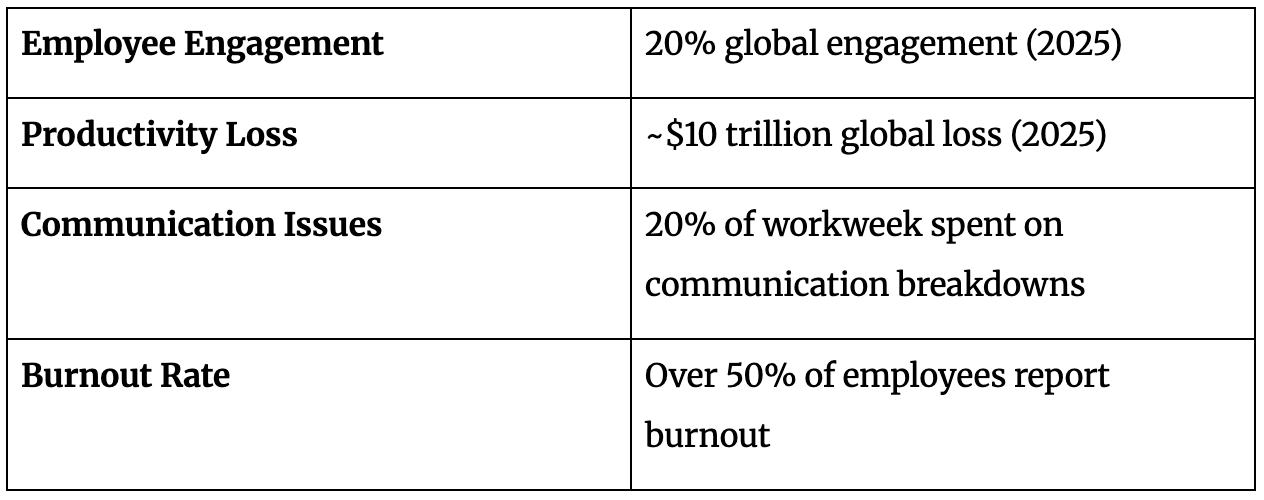
A 2024 Gallup report on the global workplace found that employee engagement has fallen to 20%. This low engagement has proved costly to the world economy, amounting to around $10 trillion in lost productivity. Several workers also report feeling stress and anger at the workplace, with levels veering at higher than pre-pandemic ones.
Frequently Missed Deadlines and Burnout
One of the most telling signs of team troubles is frequently missing targets, with employees complaining of overwork and burnout.
When this happens, business leaders may attribute it to a growing customer base. Working past the regular shift is the norm in many organizations and is even considered necessary for a favorable salary appraisal. What falls between the cracks with this attitude is that missed deadlines and burnout are often due to:
Uneven work distribution
Lack of collaboration among the team members
Imagine a team where some employees pick up the slack, while others play the blame game and leave with all the credit. It’s hardly a surprise that 55% of workers in the US report feeling burned out, according to Eagle Hill Consulting (2025).
To be fair, many business leaders do work on resolving collaboration issues. In fact, as Zoom’s 2024 workplace report indicates, over a third of leaders spend at least an hour daily on collaboration problems. These roadblocks seem to arise more with teams that use multiple communication apps.
For business leaders to prevent these issues from lowering productivity, identifying and acknowledging them is paramount.
FAQs
What are the initial signs of team trouble in a small business?
Early signs may include poor communication and misunderstandings. The team may miss deadlines, and its members display low morale. You may also notice poorer collaboration between team members.
How does poor teamwork hamper business productivity?
A lack of teamwork can lead to delays, errors, and employee burnout. These missteps reduce efficiency and increase a business’s operational costs.
What can business owners do to strengthen team collaboration?
Business owners must emphasize clear communication coupled with periodic feedback and conflict resolution. Better role definition can also improve collaboration, especially when the leadership is supportive.
Impact of Team Discord on Small Business Productivity
Building Resilient Teams That Play Well Together
As a business grows, crossing the boundary between a small and mid-scale enterprise, focusing on team dynamics will be even more important. Natural resilience in the face of conflict and disagreement ensures that employees are engaged and motivated to move forward.
The leadership’s commitment to developing and maintaining a healthy, teamwork-based environment at work can make this possible.