
3 Books for a Gentle Start to Your New Year
For clarity, creativity, and intentional goal setting

The beginning of a new year is often framed as a time to push harder, plan bigger, and set more ambitious goals. But for many of us, what we’re really craving is something quieter: clarity, steadiness, and a sense of direction that feels aligned—not forced.
If you’re creating a vision board, exploring new goal ideas, or simply trying to reconnect with what matters most, reading can be a powerful place to start. The right book doesn’t tell you what to do—it helps you listen more closely to yourself.
These three books offer exactly that. Each one supports reflection, intentional goal setting, and creative thinking—making them ideal companions for a gentle, grounded start to the year.
Why Start the Year Gently?
Before diving into planners, goal lists, or vision board ideas, it can be helpful to slow down and reconnect with your inner compass. Gentle beginnings create space for:
More intentional goal ideas that actually stick
Clearer values to guide your decisions
Creative inspiration without pressure or burnout
These books don’t push productivity for productivity’s sake. Instead, they help you clarify who you’re becoming and what you want to invite in—a foundation that makes every goal or vision board more meaningful.
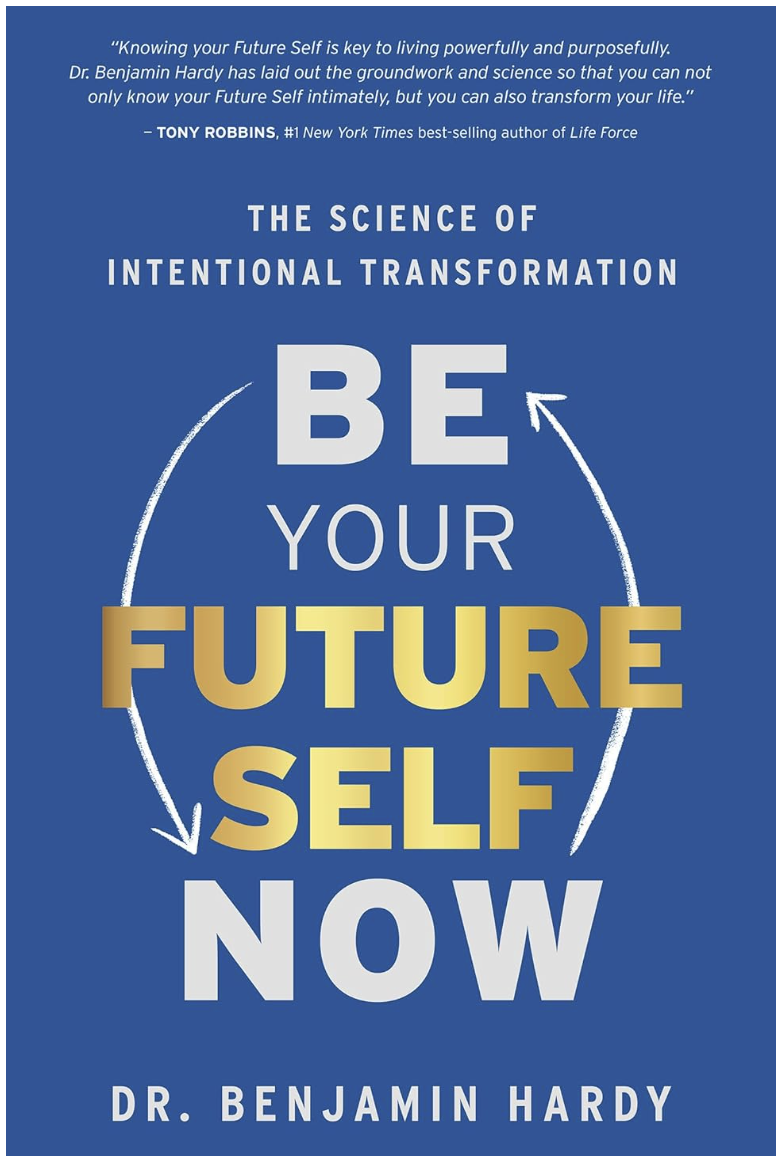
1. Be Your Future Self Now by Dr. Benjamin Hardy
A mindset shift for intentional growth
Rather than focusing on your past habits or perceived limitations, Be Your Future Self Now invites you to lead your life from the perspective of who you are becoming. Dr. Benjamin Hardy introduces the idea that your future self can serve as a guide—shaping how you make decisions, set goals, and structure your days.
This book is especially helpful if you’re:
Exploring goal ideas that align with long-term values
Feeling stuck between where you are and where you want to be
Looking to create a vision board rooted in identity, not just outcomes
Hardy’s work encourages you to ask better questions: What would my future self prioritize? What would they release? Those questions naturally lead to more intentional and sustainable goals.
2. The Pivot Year by Brianna Wiest
A year-long invitation to reflect and realign
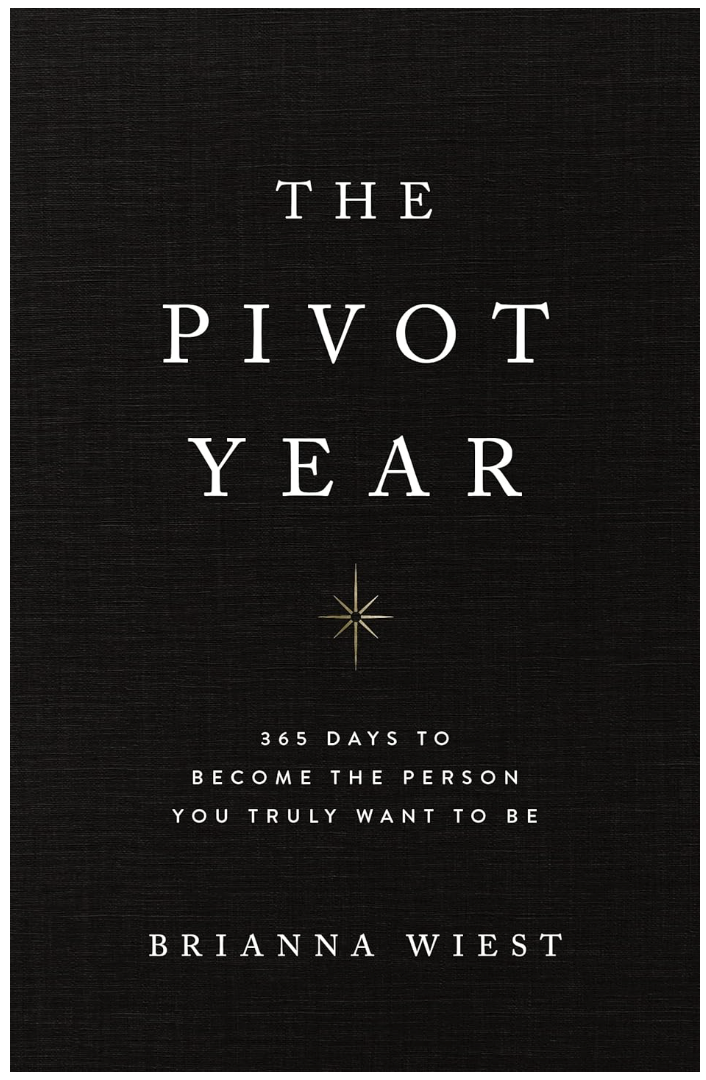
The Pivot Year is designed to be read slowly. Structured as daily reflections, it supports those moments when you know something needs to change—but you’re not quite sure how yet.
This book pairs beautifully with:
Vision board reflection exercises
Journaling prompts for clarity and alignment
Goal exploration without pressure or rigidity
Wiest’s writing helps you sit with uncertainty long enough to hear what it’s teaching you. Instead of rushing toward answers, you’re invited to notice patterns, desires, and truths that surface over time—making this an ideal companion for a more intentional year.
3. The Creative Act: A Way of Being by Rick Rubin
Creativity as a way of living, not producing
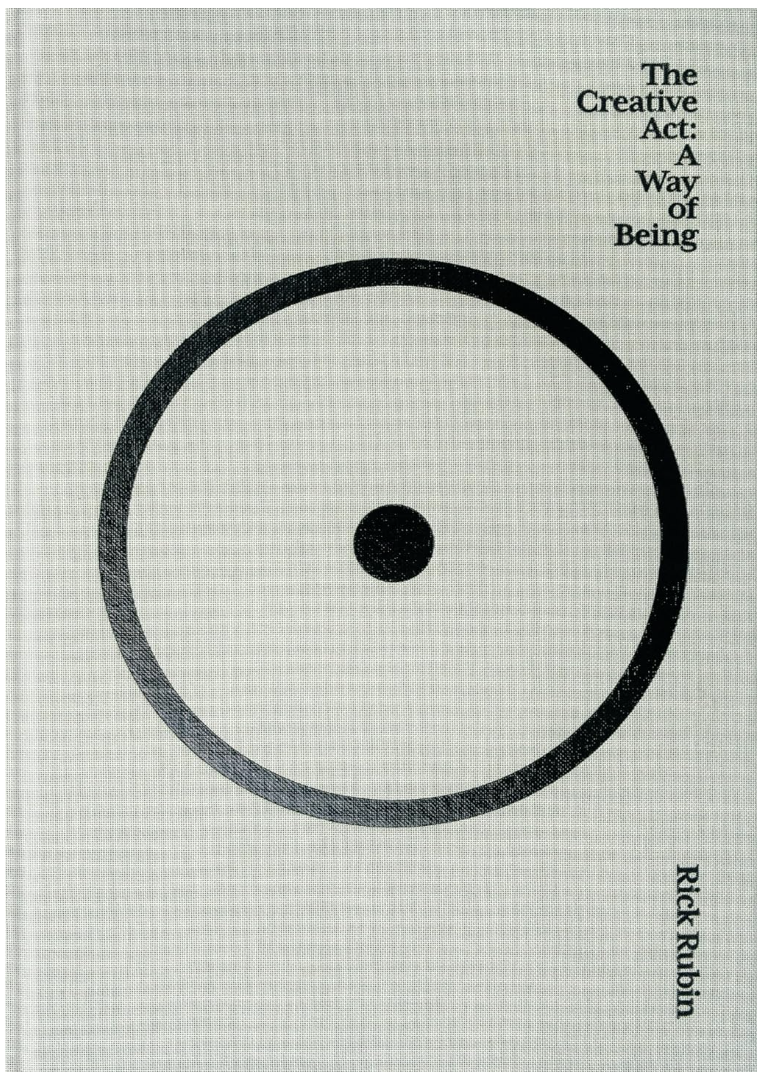
In The Creative Act, Rick Rubin reframes creativity as something far broader than art or output. Creativity, he suggests, is about presence, awareness, and how you relate to the world around you.
This book is especially powerful if:
You want your vision board ideas to feel intuitive and expansive
You’re craving inspiration without comparison or hustle
You want to approach goals as an evolving process, not a checklist
Rubin’s reflections encourage you to notice what resonates, what energizes you, and what feels alive—key ingredients for meaningful goals and creative direction.
How These Books Support Vision Boards and Goal Ideas
If you’re creating a vision board or exploring new goal ideas this year, these books can help you:
Clarify the feeling you want your life to hold
Identify goals that align with who you’re becoming
Release goals that no longer fit
Instead of asking, What should I achieve? you may find yourself asking, What feels true? What supports the life I want to live? That shift alone can transform how you approach the year ahead.
A Thoughtful Way to Begin the Year
You don’t need to read all three at once. Let one book meet you where you are. Read slowly. Reflect often. Allow your 2026 goals and vision board ideas to emerge from clarity rather than urgency.
A gentle start isn’t a lack of ambition—it’s a commitment to building a life that feels aligned, intentional, and sustainable.